There’s something magical about witnessing a child’s face light up as they twist a simple pipe cleaner into something extraordinary. I remember the rainy afternoon when my daughter and I sat at the kitchen table, armed with nothing but multicolored fuzzy wires and unlimited imagination.
Those modest craft supplies blossomed into butterflies, crowns, and wiggly creatures that lived on our windowsill for weeks. Pipe cleaner projects offer the perfect blend of simplicity and creativity—no expensive tools necessary, minimum mess, and results that truly look charming.
Whether you’re searching for a quick activity to cure boredom or arranging a craft party, these bendy chenille stems provide unlimited possibilities. They’re gentle enough for young hands still developing motor abilities, yet versatile enough to challenge older kids.
Let me share some amazing ideas that’ll have your tiny ones happily crafting for hours.
1. Adorable Pipe Cleaner Butterflies
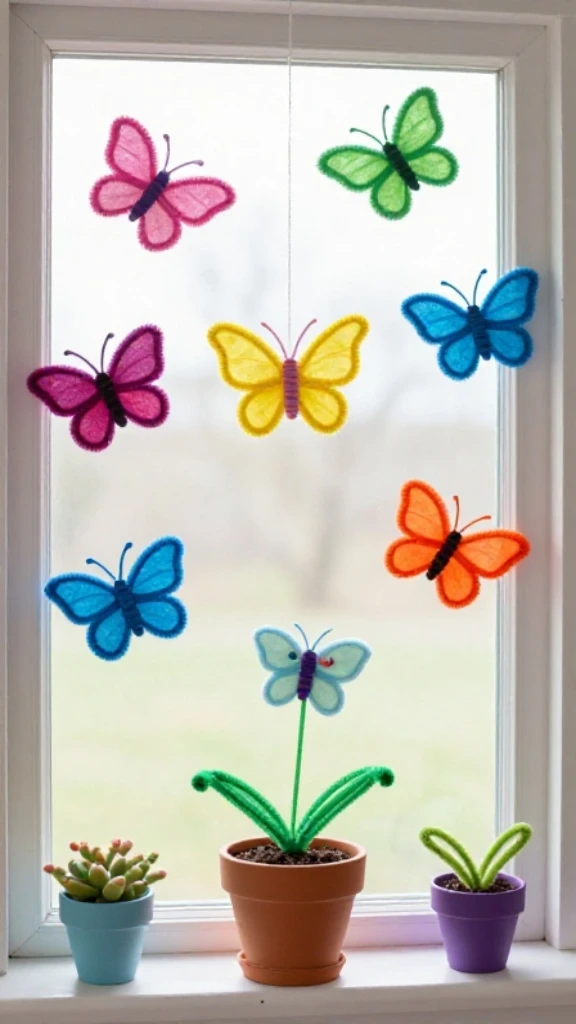
These beautiful fluttering buddies are excellent for spring décor or imaginative play. Start by twisting two pipe cleaners together at the middle to make an X shape, then gently bend each end into rounded wing shapes. Use a contrasting color for the body—simply wrap it around the center junction and twist upward to produce antennae.
Kids adore bending the wings into different positions, making each butterfly unique. You can add googly eyes or leave them simple and elegant. The best part? This project takes about five minutes but provides limitless decoration opportunities. Clip them onto curtains, connect to plant pots, or construct a mobile for a nursery.
My kid constructed an entire garden of these in all sizes, and they still adorn his bedroom window. The twisting motion also improves those vital hand muscles while making something genuinely attractive.
2. Fuzzy Pipe Cleaner Caterpillars
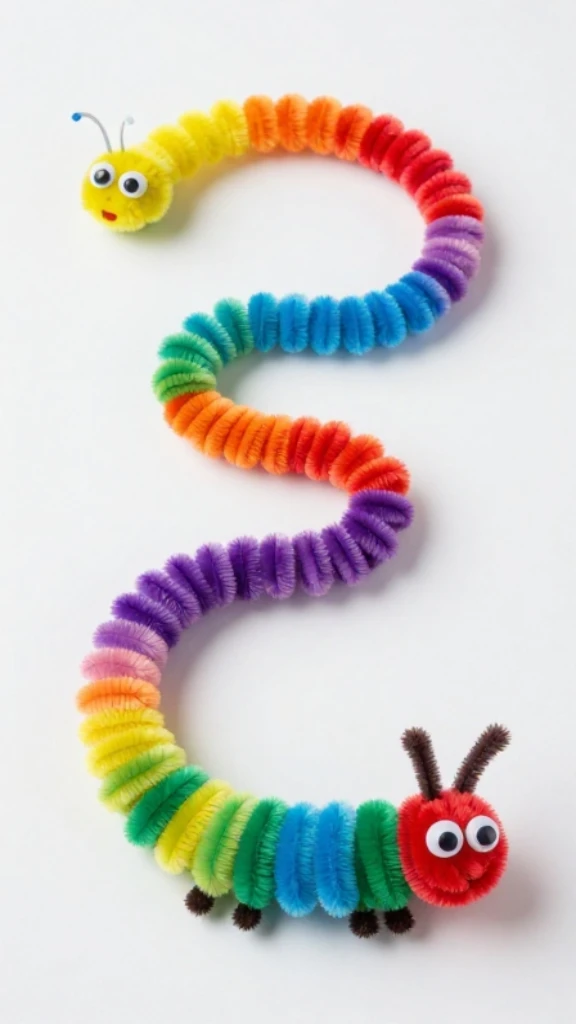
Nothing beats the pleasure of a wiggling caterpillar companion constructed from bright segments. Choose your preferred hue and build a spiral by winding one pipe cleaner firmly around a pencil, then carefully slipping it off.
Attach googly eyes to one end with a tiny dab of glue, and you’ve got an instant pet! For extra personality, bend a little piece into antennae and twist them onto the head. These caterpillars are wonderful for storytelling—kids can make them inch around surfaces or curl up for naptime.
Try building an entire family in rainbow hues, each with various expressions. They’re also surprisingly resilient and can handle lots of fun escapades.
We established a complete bug collection last summer, and the caterpillars became characters in innumerable make-believe scenarios. This activity works great for children who are just learning to manage materials.
3. Sparkly Crown Creations
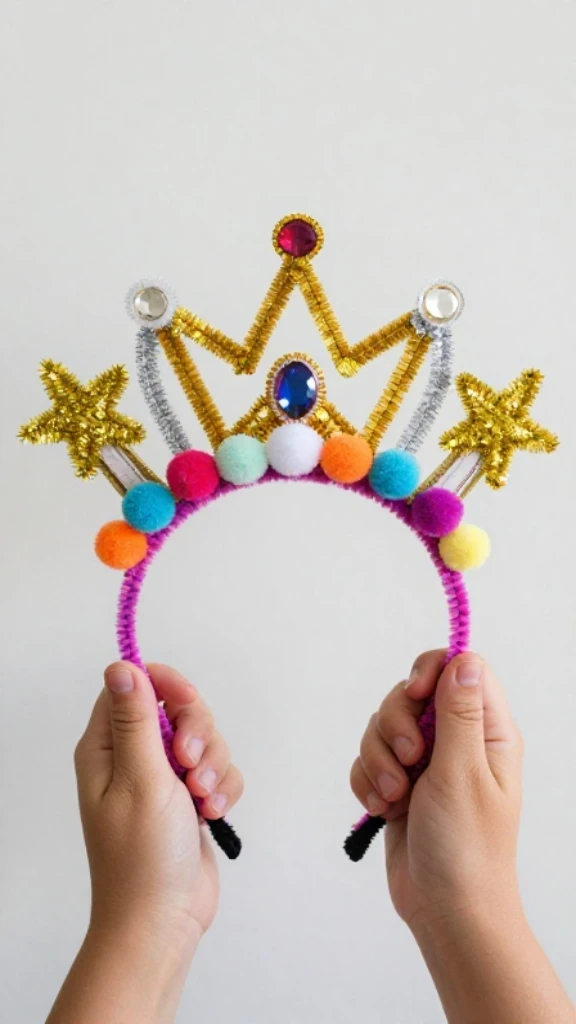
Every child needs to feel regal, and pipe cleaner crowns give instant majesty. Measure a pipe cleaner around your child’s head, twist the ends together to form a circle, then get creative with the ornaments. Use additional cleaners to form pointed peaks, loops, or star shapes around the base.
Metallic gold and silver pipe cleaners provide added elegance, but any color combination works nicely. Add plastic jewels, sequins, or little pom-poms along the band for texture and shine. These crowns are lightweight and comfy, unlike hard craft foam counterparts that typically shatter.
They’re excellent for dress-up boxes, birthday party activities, or just Tuesday afternoon when someone wants to feel special. I’ve produced them for princess parties and superhero events alike—just modify the pattern to match the theme. The best part is watching kids wear their masterpieces proudly all day long.
4. Playful Pipe Cleaner Flowers
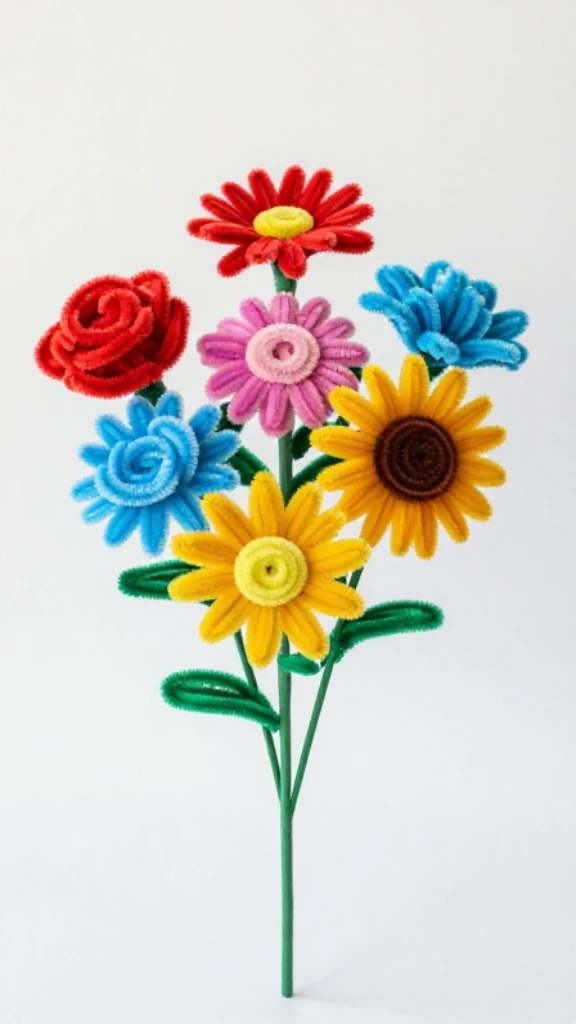
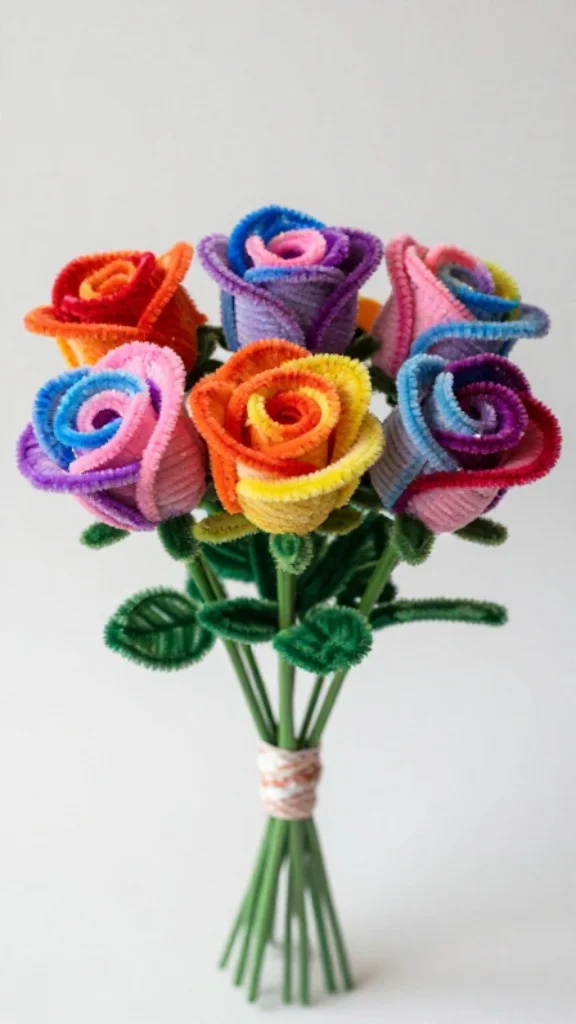
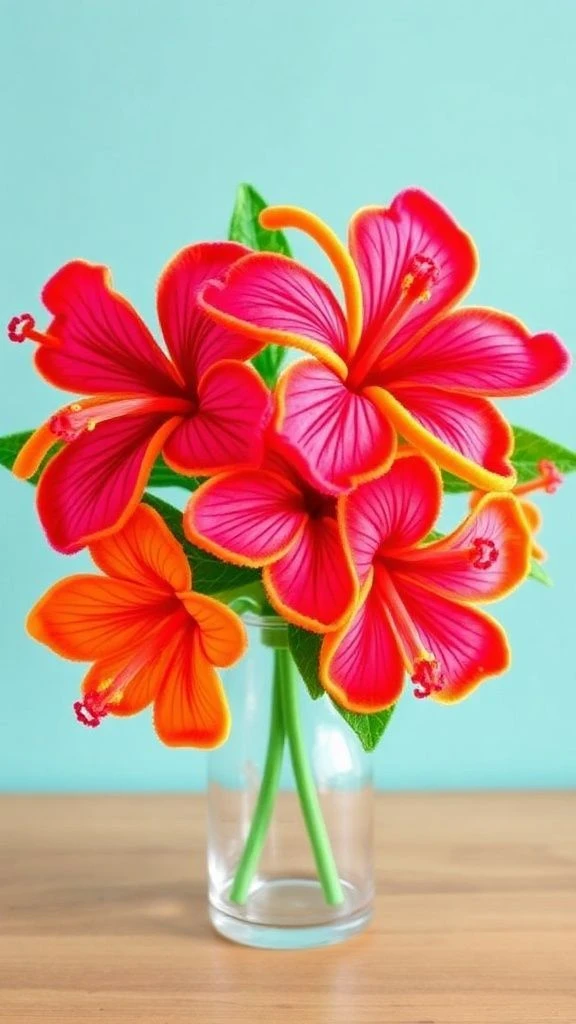
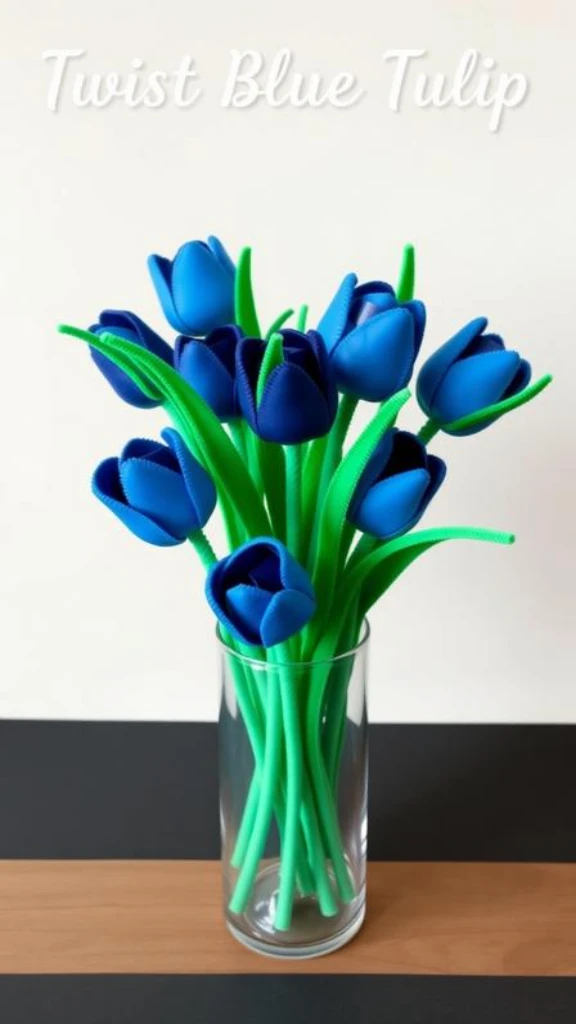
Bring eternal spring indoors with flowers that never wilt or need watering. Start with a green pipe cleaner as the stem, then choose vibrant colors for petals. Loop and twist four to six cleaners around the top of the stem, circularly putting them.
For diversity, construct several flower styles—tight spirals for roses, wide loops for daisies, or sharp shapes for sunflowers. Add a yellow center by wrapping a tiny piece around the middle. These are fantastic Mother’s Day gifts or colorful interior decorations. Create a full bouquet in a small vase, blending colors and styles.
The elasticity means they’re almost indestructible, unlike paper flowers that collapse easily. We’ve used ours as cake toppers, gift embellishments, and even photo props. Kids can play with color combinations and petal layouts, learning basic design principles while having fun.
5. Bendable Pipe Cleaner Glasses
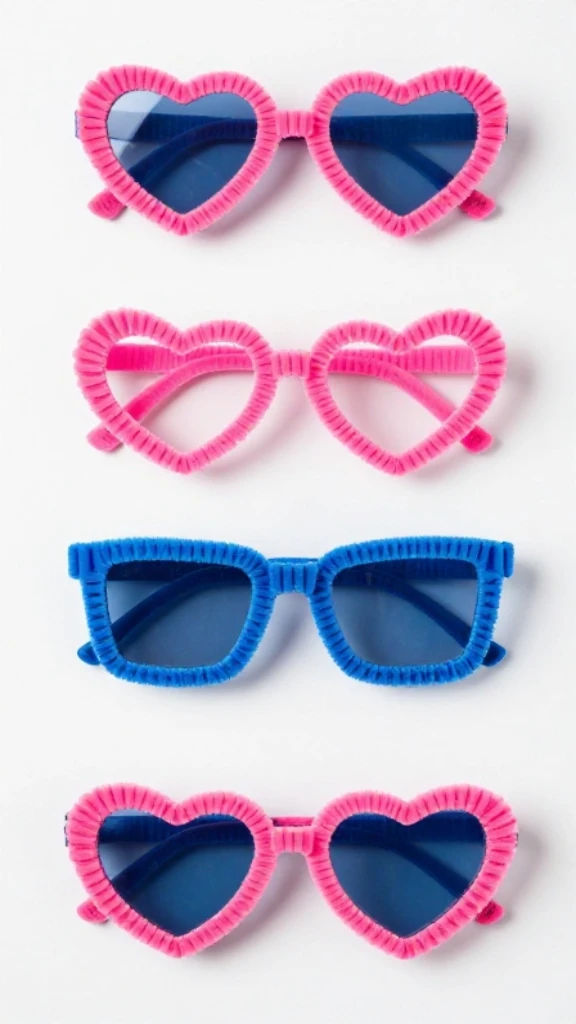
Fashion meets function with these goofy spectacle inventions that ensure chuckles. Bend a pipe cleaner into two connected rings for lenses, then extend the sides to loop over ears. Make them large and comical, heart-shaped for romance, or square for a refined effect. Use contrasting colors for the frames and temples, or keep it basic with a single tint.
These are instant props for photo booths, dramatic play, or just being funny around the house. Unlike costume store glasses, these fit any face size. Kids can construct entire collections—sunglasses, reading glasses, even 3D movie glasses with crossed lenses.
We built neon pink ones for an 80s dance party, and they were the top accessory. The project teaches symmetry and measurement in a lighthearted context. Plus, they’re practically weightless, so even the youngest children may wear them easily.
6. Twisty Pipe Cleaner Spiders
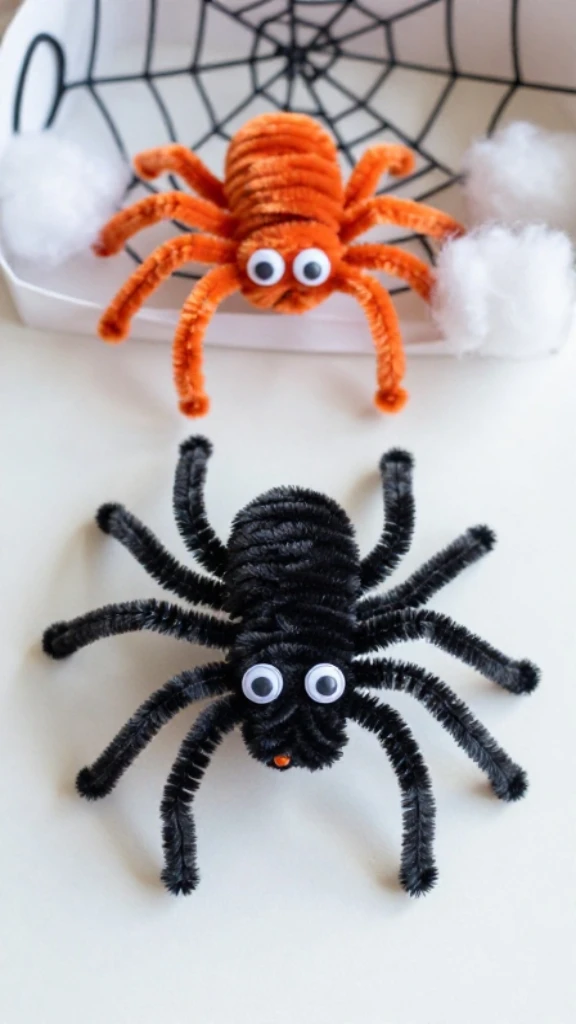
Eight-legged buddies have never been sweeter or less frightening than these fuzzy versions. Start with four pipe cleaners piled together, then twist them once in the center to make eight extending legs. Bend each leg into angles for that true spider posture. For the body, wrap a contrasting color around the center intersection multiple times until you’ve built up a plump middle area.
Add little googly eyes, and now you’ve got personality! These work wonderfully for Halloween decorations or learning about insects. Kids may modify leg locations to build spiders that crawl, climb, or dangle from webs. Try producing babies and mama spiders in varying sizes for a family photo.
My daughter made a full spider habitat in a shoebox, replete with cotton ball webs. The constant twisting teaches fine motor control while making something genuinely cool-looking that even arachnophobes can appreciate.
7. Colorful Pipe Cleaner Bracelets
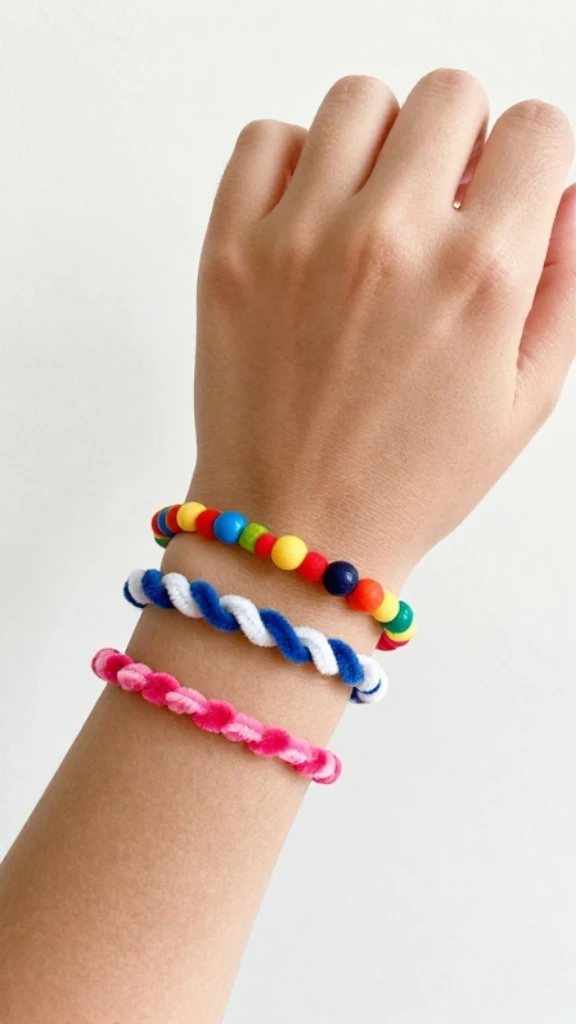
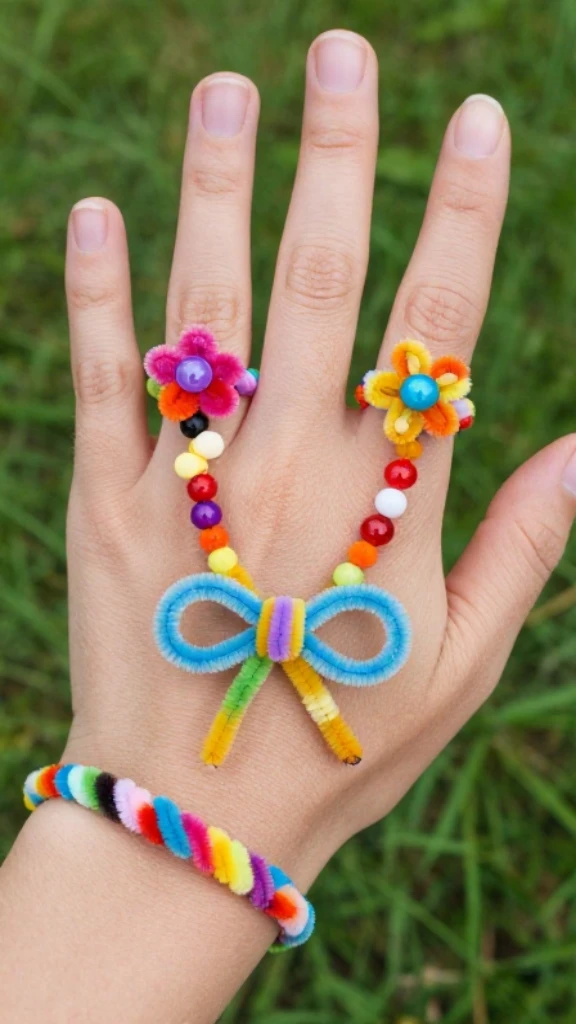
Wearable art has never been simpler or more personalized than these twisting accessories. Twist two or three pipe cleaners together for strength and visual appeal, measuring against your child’s wrist as you work. Create patterns by changing colors, or leave it monochromatic for elegance.
Add beads by threading them onto the cleaners before twisting for added shine and texture. The beauty of these bracelets is their adjustability—simply bend to fit properly. They’re wonderful friendship bracelet alternatives that don’t require intricate knotting skills.
Make matching sets for best friends, combine with favorite outfits, or create themed collections for different moods. We built an entire jewelry box full during one crafty weekend, and they became daily accessories.
The approach teaches color theory and pattern detection organically. Unlike traditional jewelry, these won’t break hearts if they get lost—just build another in minutes!
8. Whimsical Pipe Cleaner Wands
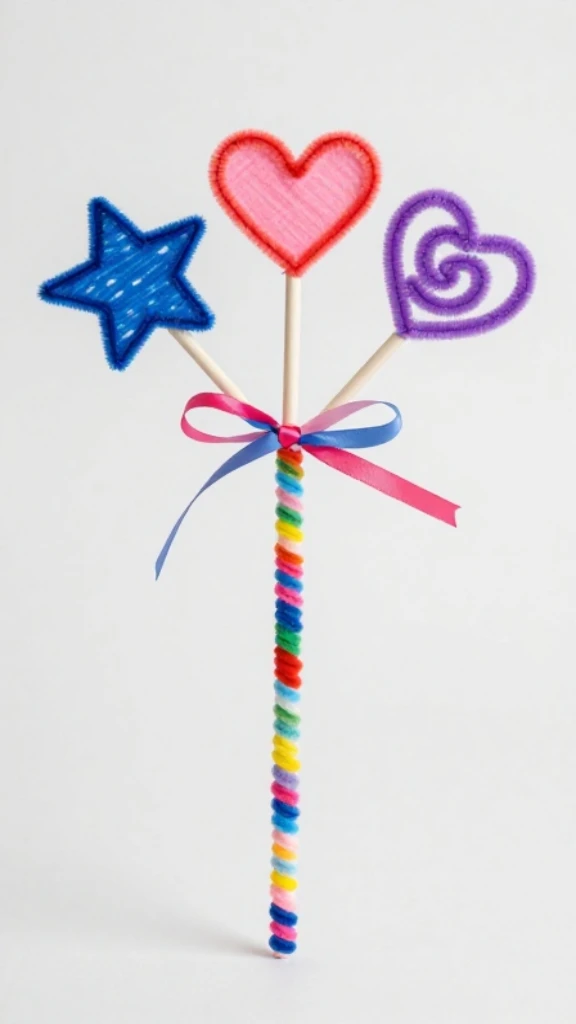
Magic happens when kids waft these sparkly masterpieces through the air. Start with one pipe cleaner as your wand base, keeping it straight and robust. At the top, design a star, heart, spiral, or whatever shape that speaks to your child’s creativity. Wrap extra colors around the foundation in stripes or spirals for grip and ornamentation.
Add ribbons by tying them right below the top shape—they’ll flutter delightfully with every wave. These work well for fairy parties, wizard play, or just bringing enchantment to ordinary days. Unlike plastic wands that break easily, pipe cleaner versions flex but don’t snap.
We’ve developed wands for every occasion—patriotic stars for Fourth of July, pastel hearts for Valentine’s Day, and frightening patterns for Halloween. Kids practice spatial reasoning while making the top forms. The finest moments come when they invent their own magical powers and stories around their unique wands.
9. Silly Pipe Cleaner Monsters
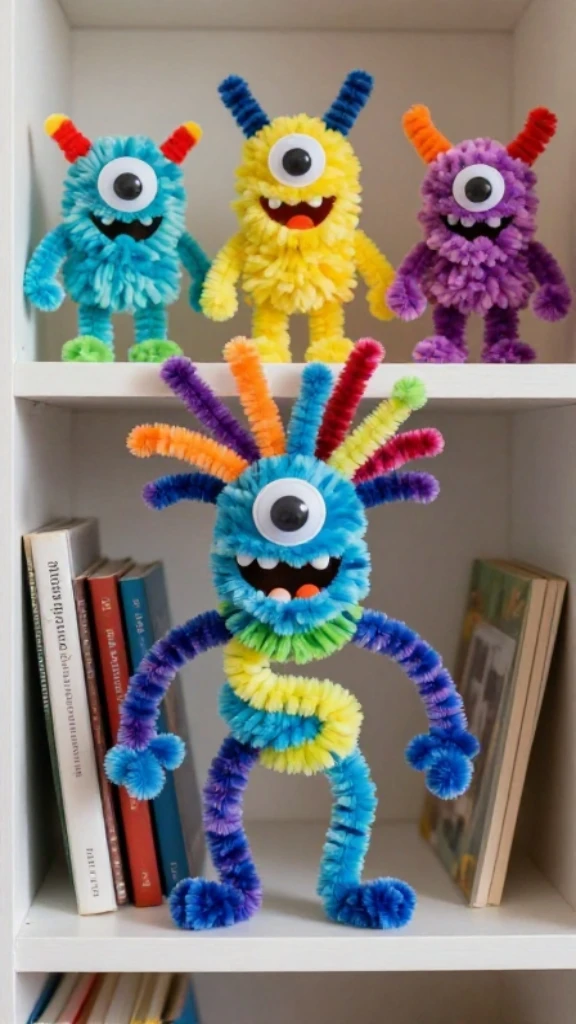
Unleash creativity with creatures that can be as odd and fantastic as imagination permits. There’s no incorrect way to construct a pipe cleaner monster—that’s the beauty of it! Start with a foundation shape for the body, like a loop or spiral. Add several eyeballs made from smaller loops or attached googly eyes for extra silliness.
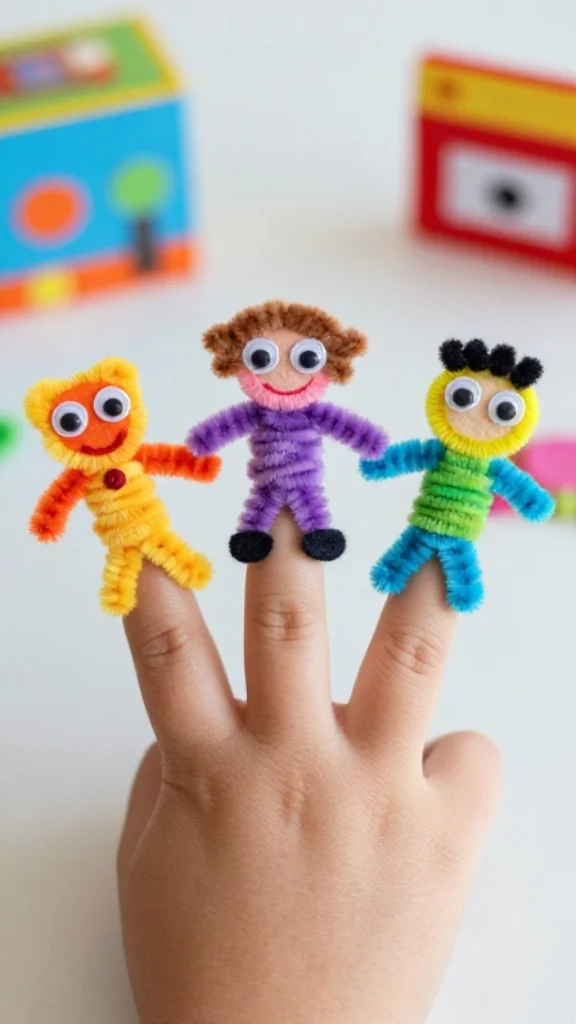
Create wild hair by bending several cleaners straight up from the head. Add as many arms, legs, antennae, or tails as seem appropriate for your particular monster species. Use conflicting colors for maximum zaniness or combine shades for a thematic design. These creatures become instant characters for storytelling, puppet shows, or simply desk companions.
My kids developed a monster family that resided in our bookcase, each with its own personality and narrative. The open-ended nature of this project minimizes creative pressure while fostering confidence in artistic choices.
10. Elegant Pipe Cleaner Hearts
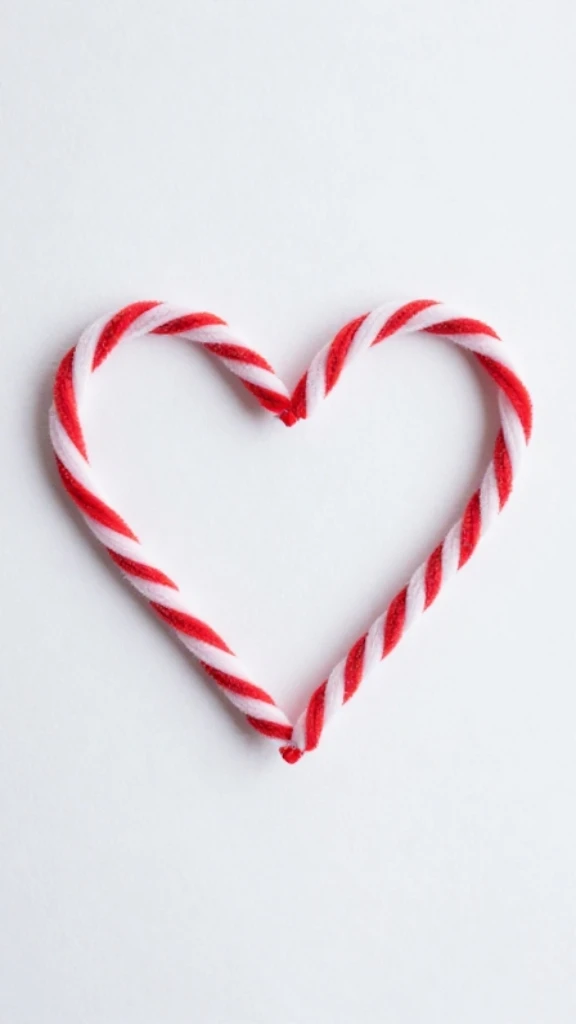
Love takes shape nicely with these simple yet attractive symbols. Fold a pipe cleaner in half to determine the center point, then bend each side outward and down, curving to meet at a point below. The outcome is a perfect heart shape that can be left basic or customized endlessly. Make tiny ones for jewelry or large versions for interior décor.
Layer numerous hearts in graduating sizes for dimensional art. Add these to present packages instead of bows, or string many together for a garland. We’ve used these as Valentine’s Day cards by attaching them to cardstock with nice sentiments. Try twisting two colors together before making the heart for a candy-cane look.
The symmetrical folding teaches basic geometry principles without feeling like a lesson. These hearts also serve great as bookmarks—just clip them onto the page you’re reading. Quick enough for last-minute crafts yet impressive enough to offer as gifts.
11. Bouncy Pipe Cleaner Springs
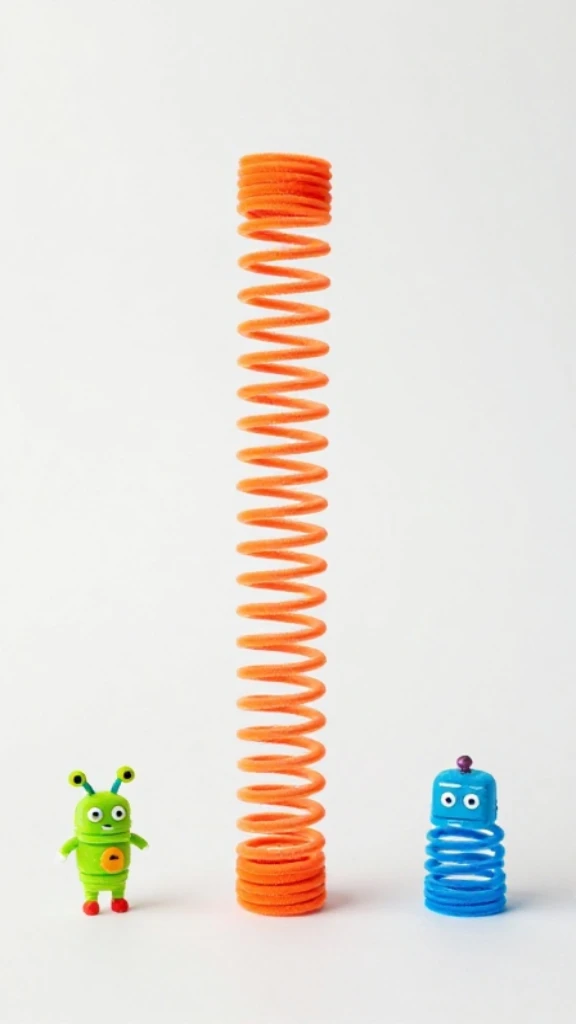
Physics meets fun with these coiled masterpieces that actually bounce! Wrap a pipe cleaner tightly around a marker or thick pen, making a continuous spiral. Carefully slide it off, and you’ve got an instant spring. These make wonderful toys for little action figures, ornamental parts for larger projects, or simply delightful fidget toys.
Kids love testing different thicknesses to see how bounce changes—fatter coils make stronger springs, while thinner ones are more flexible. Connect many springs end-to-end for a very bouncy creation. We’ve used them as caterpillar bodies, robot antennas, and even miniature trampolines for toy figurines.
The repetitive wrapping motion is relaxing and meditative while improving hand strength. Try races to discover whose spring bounces highest or travels farthest. They’re also wonderful for explaining potential and kinetic energy in a hands-on method that’s considerably more entertaining than textbook explanations.
12. Adorable Pipe Cleaner Bunnies
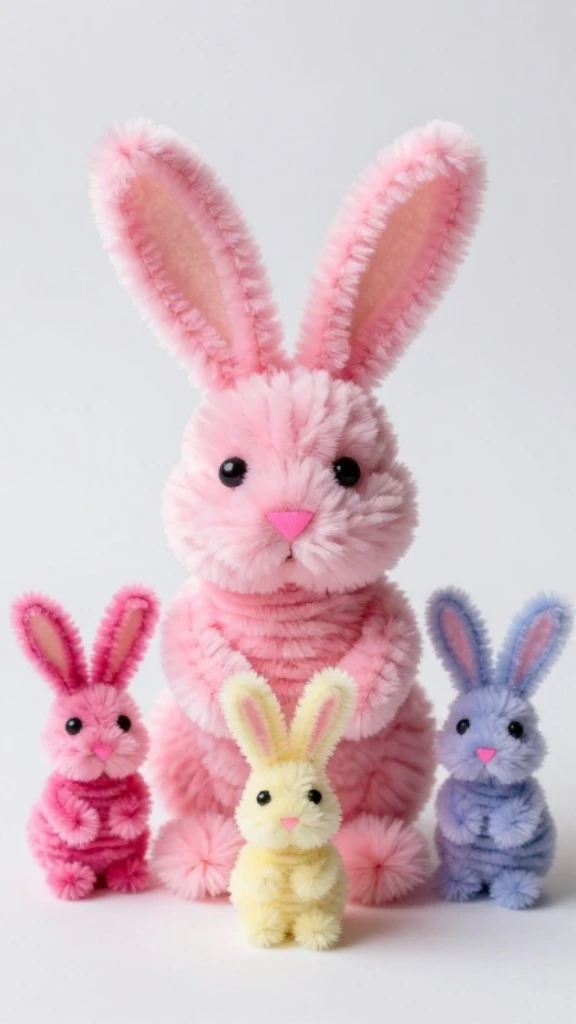
Hoppy pals arise from simple twists and loops in this delightful handicraft. Create the body with a fat loop, then create two longer loops for ears, putting them at the top. A little pom-pom makes the perfect tail—just coil a short strip of pipe cleaner around a fluffy craft pom and connect it to the back. Use pink cleaners for classic bunny coloring or rainbow tints for fantasy rabbits.
Add googly eyes and a tiny pink triangle for the nose. These work well for Easter baskets, spring décor, or year-round charm. Make a huge warren of rabbits in different sizes and colors, each with distinctive ear positions for personality.
We designed a full rabbit family, including parents, infants, and even bunny grandparents with bent-over ears. The project covers animal anatomical concepts in an approachable way. These bunnies are strong enough for pretend play yet delicate-looking enough to show proudly on shelves.
13. Sparkly Pipe Cleaner Snowflakes

Winter magic survives year-round with these geometric wonders that never melt. Start with three pipe cleaners crossed at the center to form six extended arms. Twist them together at the middle, then bend each arm into symmetrical shapes—loops, zigzags, or curves. Add smaller pieces to create more features on each arm, keeping the design balanced.
Metallic white, silver, or icy blue cleaners appear wonderfully wintry. These make lovely window decorations when hung at different heights. String many together for a festive garland or attach to present parcels. Unlike paper snowflakes that rip easily, they are remarkably sturdy. We’ve decked our winter window display with dozens of these in varying sizes, giving a frozen wonderland look.
The project teaches symmetry and radial design principles organically. Older kids can challenge themselves with increasingly complicated patterns while smaller ones master basic forms. Hang them from the ceiling on invisible thread for a floating snow effect that’s wonderful.
14. Playful Pipe Cleaner Letters
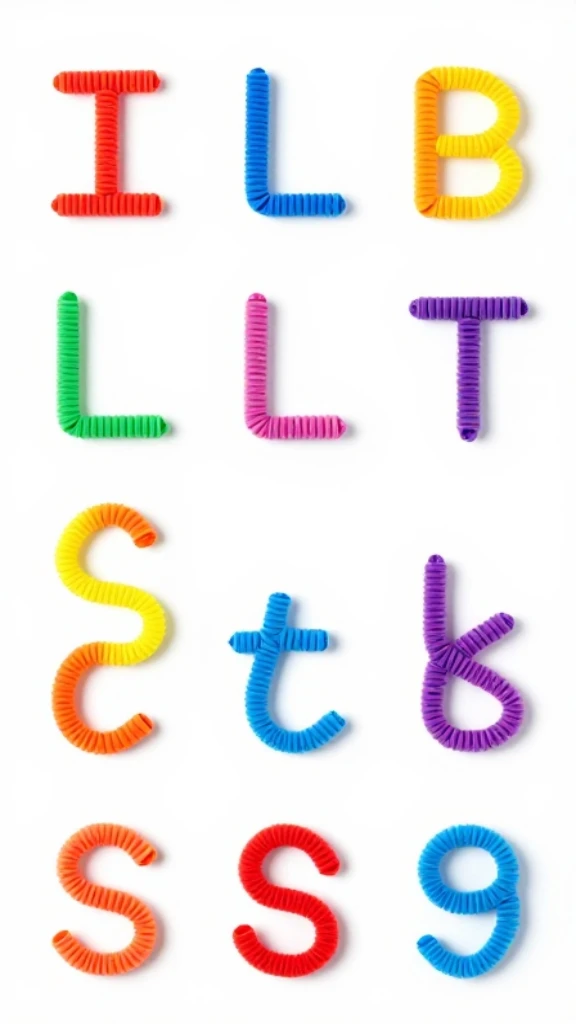
Alphabet learning becomes hands-on fun when kids shape their own letters. Bend pipe cleaners into letter forms, starting with the initial letter of their name for personal connection. Straight letters like I, L, and T are perfect for beginners, while curving ones like S and O present more challenge. Use numerous cleaners for thick, dimensional letters or single strands for delicate script-style variations.
These work excellently for spelling practice, name recognition, or decorating bedroom doors. Make the full alphabet and store it in a plastic bag for portable learning. We built magnetic letters by hot-gluing magnets to the back for refrigerator poetry sessions. Try color-coding vowels and consonants or crafting rainbow letters with striped cleaners.
The shaping process reinforces letter shapes considerably more efficiently than passive recognition. Younger children gain pre-writing abilities by manipulating the cleaners into letter forms. Older kids can produce cursive versions or elaborate, adorned letters as art pieces.
15. Cute Pipe Cleaner Snails
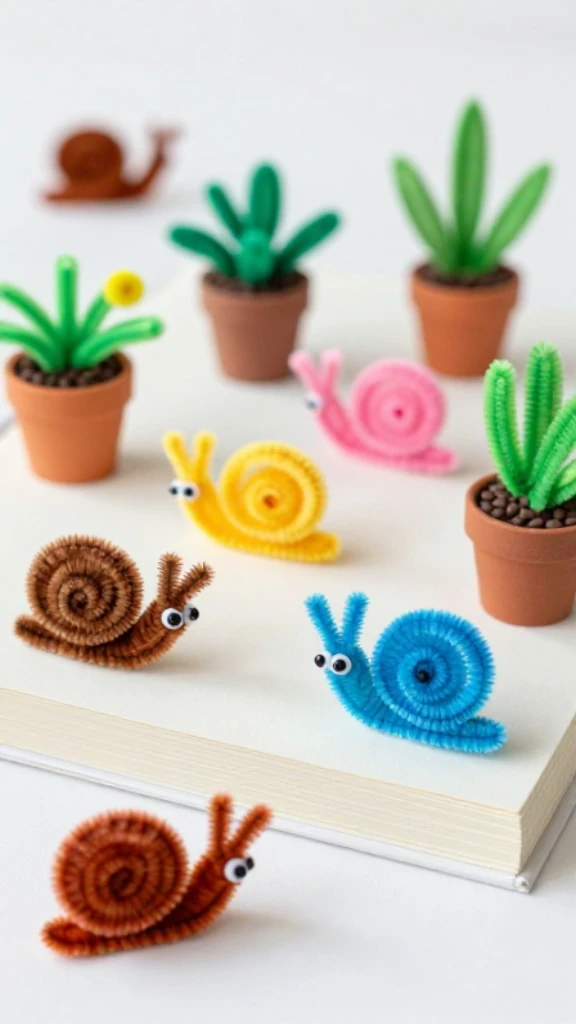
Slow and steady wins the cuteness award with these spiral-shelled pals. Create the shell by wrapping a pipe cleaner into a tight spiral or coil. For the body, shape another cleaner into a mild S-curve, attaching the shell to the curved section. Two little pieces make antennae—just bend them into loops at the tips.
These snails can be any color combination imagined, from realistic browns and greens to fantastical rainbow variations. Position them creeping up pencil holders, across desk edges, or exploring potted plants. We constructed a complete snail garden with varied shell patterns and sizes, creating a whole ecology.
The spiral forming motion is ideal for hand-eye coordination development. Kids learn about gastropods while creating something genuinely cute. These also act as bookmarks when you arrange them descending down the page edges. Try building racing snails with varied shell patterns and thinking they’re participating in slow-motion races across the table.
16. Magical Pipe Cleaner Stars
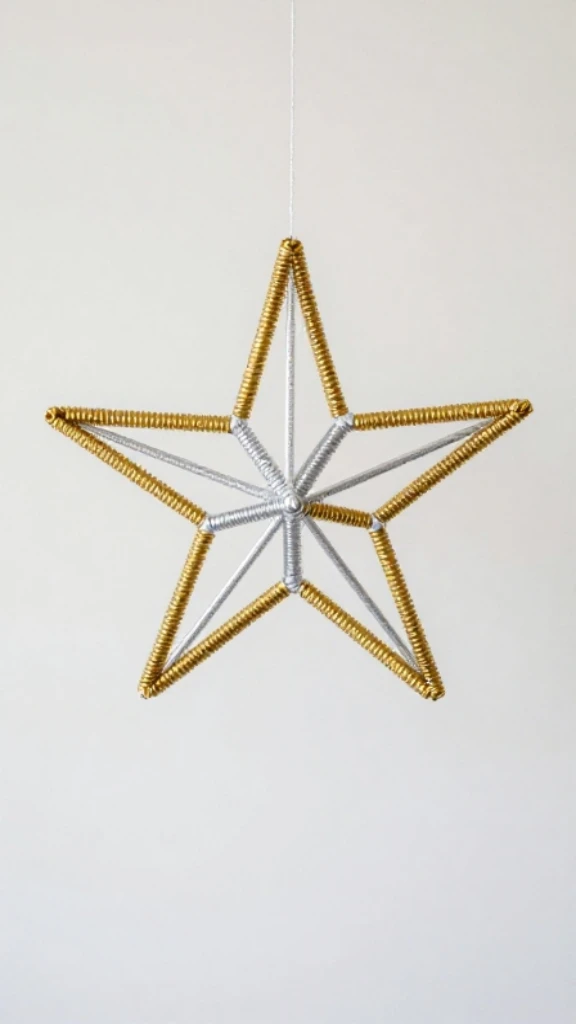
Five-pointed perfection shines bright with these celestial wonders. Form a star by generating five loops radiating from a core point, twisting the cleaner as you go to retain structure. For extra rigidity, use two pipe cleaners twisted together or wrap a second color around the outside edge. Metallic gold and silver create exceptionally lovely stars, but any bright color catches that celestial brilliance.
These work nicely as Christmas ornaments, birthday decorations, or everyday ceiling hangings. Add them to gift wrapping or build a full constellation on a bedroom ceiling. We strung ours with invisible thread at varying heights for a floating galaxy appearance that wowed everyone. The geometric construction teaches basic star formation and symmetry.
Try producing different sizes—tiny stars for jewelry and huge ones for wall art. Bend the points at different angles for dimension and character. Unlike paper stars that rest flat, these have natural three-dimensional quality that catches light brilliantly from every aspect.
17. Wiggly Pipe Cleaner Fish
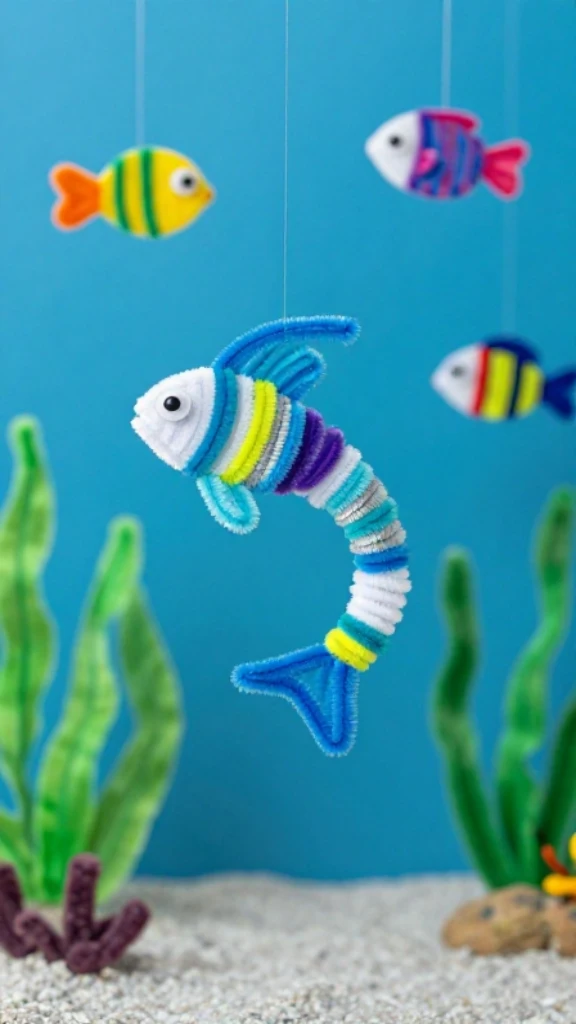
Underwater adventures begin with these simple swimming pals. Start with the body—a soft, curved shape that tapers gradually toward the tail. Add a triangular tail by making a little V-shape and attaching it to the narrow end. Create fins by forming tiny loops on the sides and top. Two little loops or googly eyes complete the face.
Use bright tropical hues for fantasy fish or realistic blues and silvers for ocean creatures. These are ideal for constructing aquarium scenes in shoeboxes or hanging as mobiles above cribs. We constructed a full ocean ecosystem with different fish sizes and species, adding seaweed made from green pipe cleaners too.
The approach teaches basic fish anatomy in an entertaining, hands-on way. Kids can experiment with different body forms and fin locations to find what appears most realistic. Add stripes or dots with different colors wrapped around the body. These fish are flexible enough to “swim” in the air during imaginative play sessions that last for hours.
18. Festive Pipe Cleaner Candy Canes
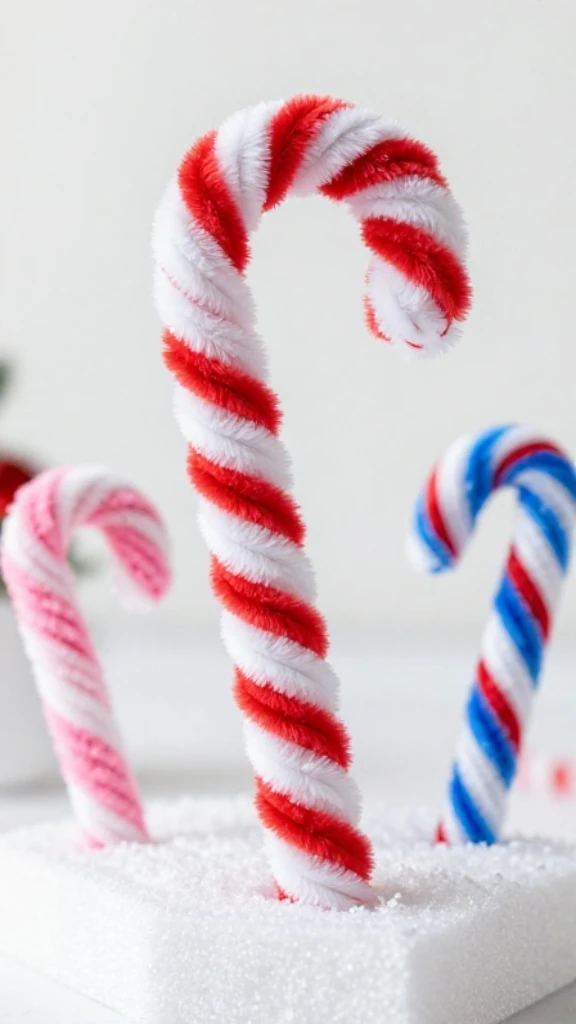
Holiday enthusiasm twists into shape with these iconic striped snacks. Take a red and white pipe cleaner and twist them together along their whole length, creating the distinctive barber-pole pattern. Bend the top into the customary hook form, and you’ve got immediate Christmas happiness.
These work well as tree ornaments, gift package decorations, or simply dispersed around the house for a holiday mood. Make them in different sizes—tiny ones for dollhouse décor and large versions for wreaths. We’ve made complete candy cane forests by placing them into foam blocks covered with fake snow.
Try color variations like pink and white for Valentine’s Day or red, white, and blue for patriotic holidays. The twisting motion increases hand strengthening while making something very attractive.
String many together for a garland or use as stirrers for hot chocolate (but don’t actually stir—they’re for looking at, not eating!). Kids adore making them for grandparents as handcrafted gifts that are both timeless and personal.
19. Friendly Pipe Cleaner Aliens
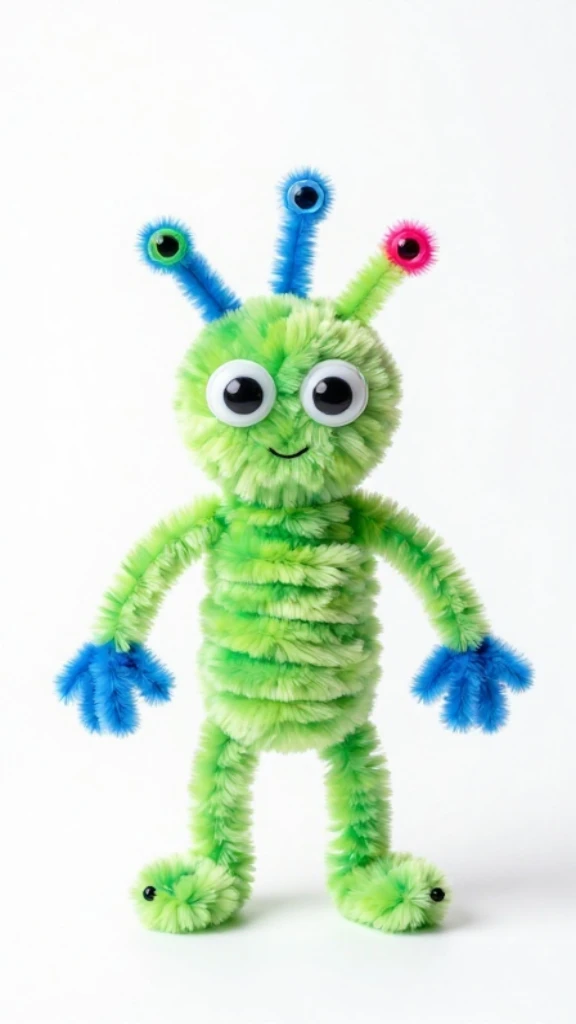
Extraterrestrial inventiveness knows no limitations with these out-of-this-world characters. Unlike earthly animals, aliens can have any number of eyes, arms, legs, or antennae—total creative freedom! Start with a basic body shape, possibly a spiral or loop, then add as many appendages as your alien species requires.
Use bold, unnatural colors like neon green, electric blue, or hot pink for real space-creature sensations. Make numerous eyes of different sizes positioned randomly for that alien effect. Wild, spiky hair or many antennae add to the otherworldly image.
These become instant characters for space-themed play, science fiction narrative, or just odd desk decorations. My kids developed an entire extraterrestrial planet populated with pipe cleaner inhabitants, each with unique skills and personalities.
The open-ended nature means there’s no “wrong” way to produce, fostering artistic confidence. Try designing extraterrestrial families or distinct species that might dwell on Mars versus Jupiter. These work brilliantly for discussions about imagination, creativity, and what life might exist beyond Earth.
20. Cheerful Pipe Cleaner Suns
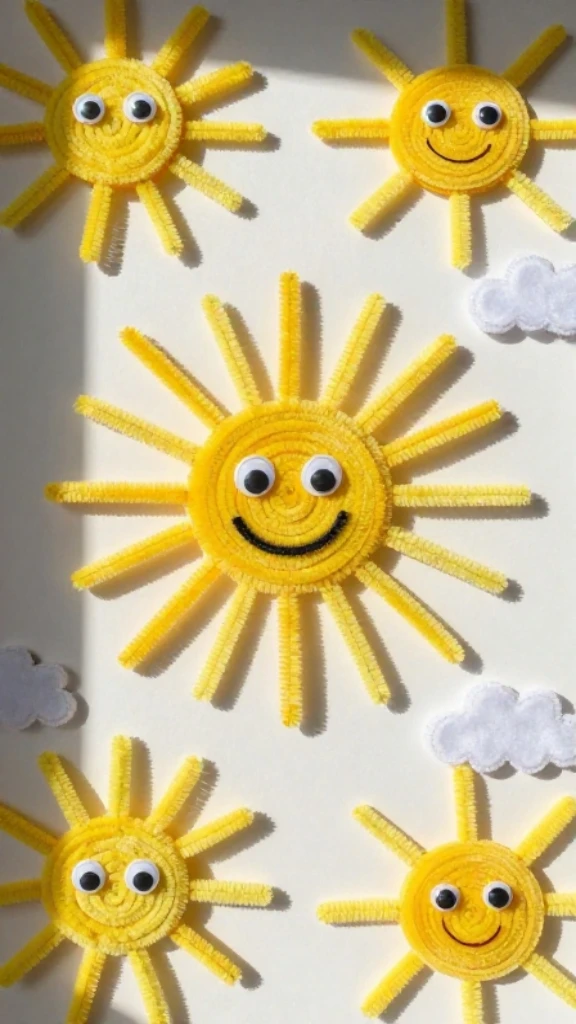
Sunshine brightens the day with these dazzling yellow designs. Form a circle for the sun’s face, then attach eight to twelve straight cleaners extending forth for rays. Alternate beam lengths for spatial intrigue, or keep them uniform for classic sun effect. Add googly eyes and a smile for a pleasant personality.
These make fantastic window decorations that catch genuine sunlight, providing a delightful meta moment. Use glitter pipe cleaners for extra sparkle or overlay different yellow tints for depth. We’ve made seasonal sets showcasing the sun in different moods—happy summer sun, soft spring sun, and comfortable autumn sun.
The radial structure illustrates basic circle and line relationships. Try making rising and setting suns with rays only at top or bottom. Add cloud companions using white pipe cleaners for a comprehensive weather scene.
These serve great for educating about solar energy, daylight cycles, or just providing cheer to wet days when you need sunlight reminders. Hang many suns together for a celebration of light and enthusiasm.
FAQs
What age is acceptable for pipe cleaner crafts?
Most youngsters aged three and up can enjoy pipe cleaner projects with supervision. Younger toddlers can work on simple shapes while larger kids attempt sophisticated constructions. Always supervise tiny children to minimize choking dangers from small bits or googly eyes.
How do you attach googly eyes to pipe cleaners securely?
Use a small dot of craft glue or a low-temperature glue gun for optimal results. Regular white glue works but takes longer to dry. Make sure the area is clean and somewhat roughed up before applying glue for optimal retention.
Can pipe cleaner crafts get wet?
Basic pipe cleaners may rust if damp, but they can tolerate light moisture. Avoid using them in bath play or outside during rain. If they get somewhat damp, let them air dry fully to prevent rust growth on the wire core.
Where can you buy pipe cleaners in bulk?
Dollar stores, hobby stores like Michaels or Hobby Lobby, and internet retailers like Amazon provide large packets. Look for variety packs with different colors for the greatest value. Educational supply stores often sell classroom-sized packages at cheap costs, too.
How do you preserve finished pipe cleaner crafts?
Place them in clear plastic buckets or hanging organizer pockets so they won’t get smashed. Shadow boxes work great for presenting favorites. Avoid cramming them in drawers where they’ll lose their shape and become knotted tangles over time.
Conclusion
Pipe cleaner creation offers unlimited possibilities, limited only by creativity and the quantity of fuzzy wires in your supply box. These simple projects strengthen fine motor skills, inspire creativity, and yield gorgeous products that kids actually feel proud exhibiting.
From rainy afternoon boredom busters to planned party activities, chenille stems give guaranteed enjoyment without difficult directions or expensive ingredients. I’ve watched my own children evolve from basic forms to intricate animals, gaining confidence and dexterity along the way.
The best part? These projects produce memories and decorations. Start with simple crafts for younger children and progressively incorporate more complicated designs as skills develop.
Keep a range of colors on hand, add some googly eyes and glue, and you’re set for numerous crafting sessions. So take those multicolored pipe cleaners and watch creativity bloom—you might be astonished by the imaginative wonders that emerge from those bendy little wires!

- WHAT’S IN THE PACK- 100 Assorted Color 12 Inches Pipe Cleaners.
- FOR CRAFTS- Our Pipe Cleaner are widely used in Kids Crafts Making Activity, DIY Activities, Making Funny Figures and In School Projects.
- GOOD CHOICE- These Pipe Cleaners can also be used in all Funny Figures Making like Animals, Spiders, Puppets and Plants. These are also good choice for gifting kids and someone who likes making…
- MAKE FUN CRAFTS- Craft Pipe Cleaners are colorful furry flexible sticks which can be twisted into any shape according to your desire.
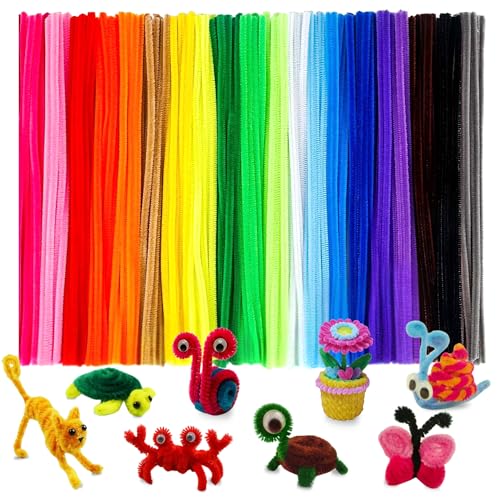
10 DIFFERENT COLORS: Package contains 10 assorted colors pipe cleaners (approx 6mm in diameter, 12 inch in length), 10 pieces of each color, totally 100 Pcs to meet all your crafting needs
WONDERFUL GIFT CHOICE: These colored pipe cleaners are a good gift option for craft lovers who enjoy doing variety of art jobs. Great for developing kids’ imagination and creativity
MADE OF PREMIUM QUALITY: Our jumbo pipe cleaners are made of wire and fiber. You can turn the pipe cleaners into any shape by twisting, curling or wrapping them. Ideal accessory for craft projects…
MULTI-USE: Pipe cleaners are such a wonderful activity for preschoolers and family to have fun together. Great for teachers to enhance classroom projects. Can be formed into puppets, flowers,…
EASY TO CUT AND REUSABLE: These pipe cleaners allow you to cut them into the length you need and the floss will not fall apart. They can also be easily straightened for recreating
- Gifting Idea – Discover the perfect Rakhi Gift with our craft bundle, offering a creative way to celebrate the bond between brother and sister.
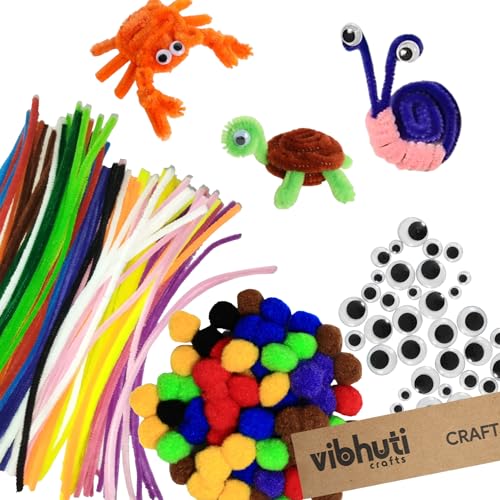
- Abundant Craft Supplies: This bundle includes 50 pieces of pipe cleaners, 50 pieces of pompoms, and 50 pieces of googly eyes, offering a wide variety of creative options for your projects.
- Endless Possibilities: Use the pipe cleaners to create unique shapes and designs, add colorful pompoms for texture and embellishments, and bring your creations to life with the googly eyes.
- Vibrant Colors and Sizes: The pipe cleaners, pompoms, and googly eyes come in an assortment of eye-catching colors and sizes, inspiring limitless creativity.
- Versatile Crafting Materials: Ideal for various DIY projects, crafts, and art activities, such as making ornaments, puppets, jewelry, and decorations.
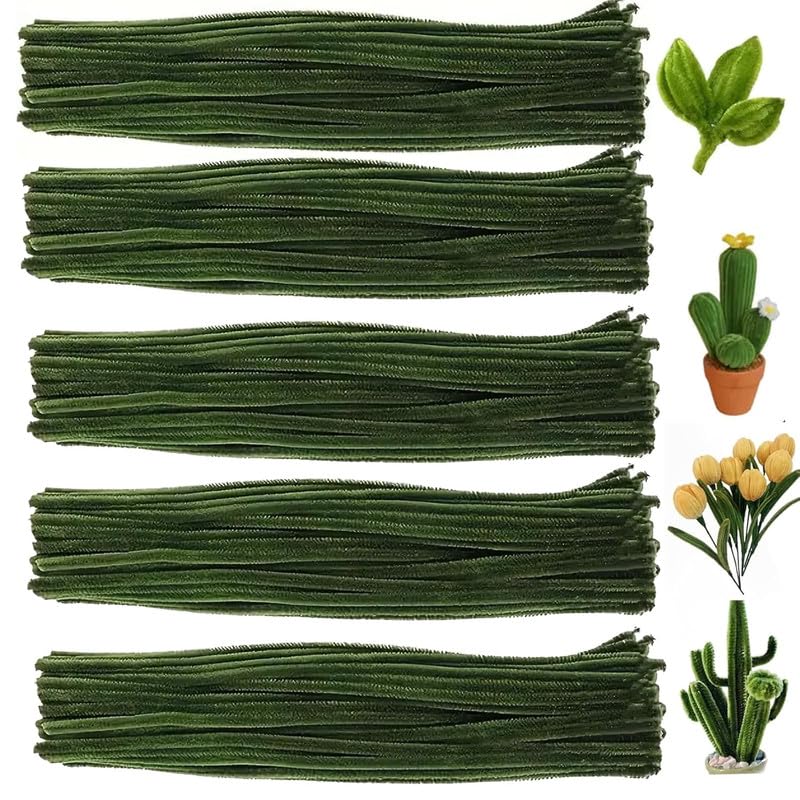
- Includes 100 pipe cleaners in vibrant shades, perfect for endless DIY creations such as flowers, animals, decorations, wreaths, and personalized art and craft models.
- Made from premium polyester chenille with a sturdy wire core that’s soft, flexible, and easy to bend or twist into different shapes without snapping or shedding fibers.
- Craft Potential: With their bright hue and malleable nature, these pipe cleaners can be utilised to make decorations, sculptures, jewellery, and more.
- Ideal for children’s school projects, home crafting, classroom fun, or holiday-themed decorations, helping kids improve motor skills, creativity, and imaginative thinking.
- Perfect choice for flower making, scrapbooking, card decoration, science models, jewelry crafting, costume detailing, or any fun creative expression at home or school.
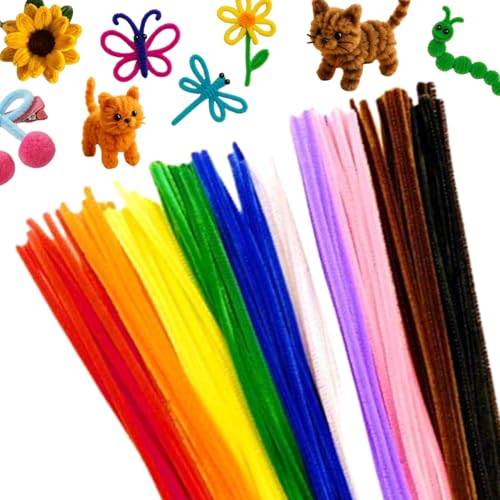
- Size: 12 Inch (Approx.) | Quantity: Pack of 100 | Color: Multi-Colored
- Easy to Cut, Bend & Reuse: Made from premium-quality chenille stems and fuzzy wire that can be shaped into any desired design.
- Ideal for: Craft lovers, kids, and DIY enthusiasts, perfect for making flowers, animals, ornaments, finger puppets, and more creative projects.
- Creativity & Imagination: Sparks artistic expression, enhances creative skills, and makes crafting fun and engaging.
- Get expert guidance, tips, and inspiration from a vibrant community of DIY and hobby enthusiasts.
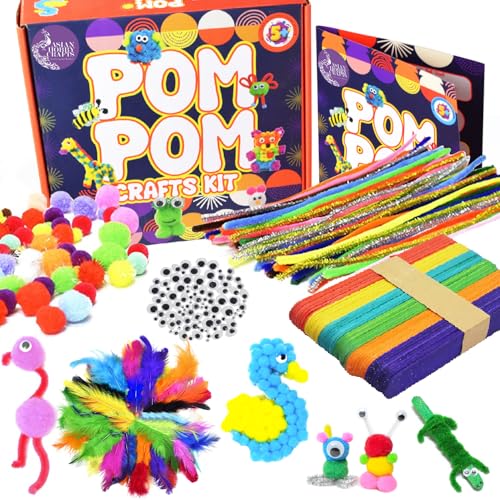
- ✅ WHAT IS INSIDE THE BOX : 50 Pcs Assorted Googly Eyes, 50 Pcs Pipe Cleaners, 50 Pcs Ice Cream sticks, 50 Pcs Multi Feathers, 140 Pcs Pom Poms Approx, and User Guide
- ✅ This fun and colorful kit includes essential craft materials like pompom balls, pipe cleaners, googly eyes, ice cream sticks, and feathers, allowing kids to explore their imagination and create…
- ✅ Designed to spark creativity in children, the kit supports hands-on learning and helps improve fine motor skills, concentration, and coordination. It encourages screen-free playtime and is perfect…
- ✅ Ideal for school assignments, holiday crafts, party activities, or weekend fun, this all-in-one kit provides endless possibilities. Kids can build animals, characters, decorations, and more with…
- ✅ Made with child-safe, high-quality materials, this craft kit is non-toxic and easy to handle. Every item in the set has been thoughtfully selected to ensure hours of safe, creative fun for kids…
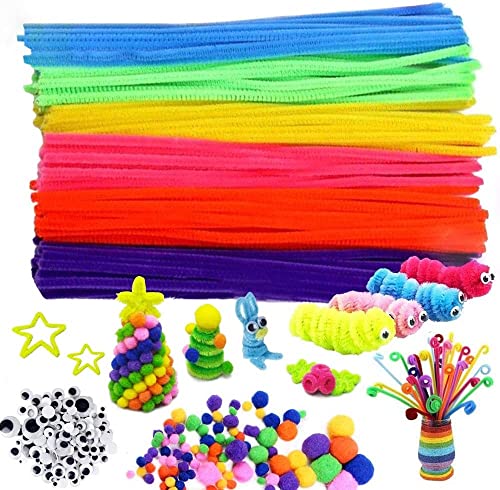
- 100Pcs Pipe Cleaners Craft Supplies: Contains 100 pcs chenille stems pipe cleaners craft supplies for kids in different 6 color, Easy to bend and mold to create designs. Colorful, soft and ideal for…
- 100Pcs Pom Poms Craft Supplies: Contains 200 pcs pom poms craft in 1 different sizes-1cm Perfect for garland, fringe, parties, decorations, handmade gifts, kids school projects, camp projects and…
- 100Pcs Wiggle Googly Eyes: Contains 200 pcs googly eyes in 1 different sizes-7mm Perfect for slime making and craft projects such as create toy, decoration, puppets, dolls, birthday cards, and much…
- Material: Fiber and metal brightly color and durable quanlity, Great for develop kids imagination and creativity. Great DIY for pipe cleaner rainbows, cute Christmas crafts, holiday wreath crafts,…
- Great Gift: These colorful pom poms and pipe cleaners are creativity-oriented items, good gift for children and adults who enjoys art and craft.
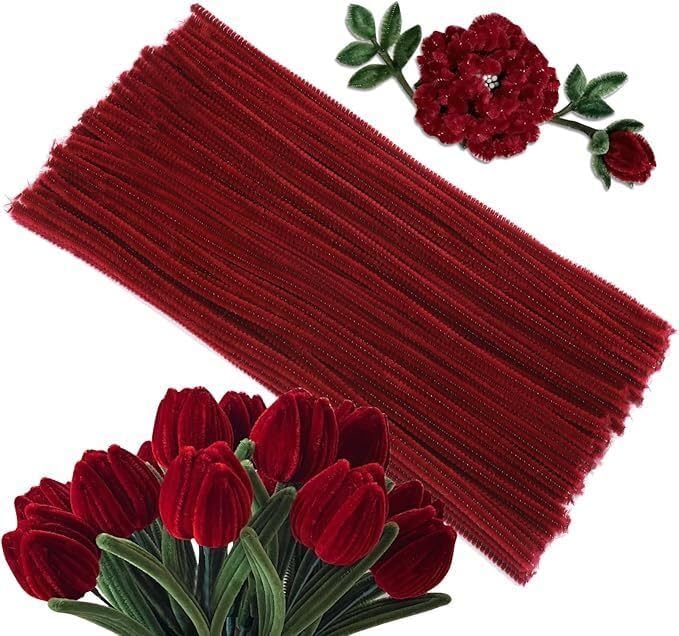
- 100 Pieces Value Pack: Includes 100 high-quality pipe cleaners, perfect for multiple DIY craft projects, school activities, and creative use at home or in classrooms.
- Flexible & Easy to Shape: Made with a strong inner wire and soft chenille material, allowing easy bending, twisting, and shaping without breaking
- Ideal for Kids & Adults: Suitable for children’s crafts, school projects, hobby art, DIY decorations, and creative learning activities.
- Soft & Durable Material: Smooth chenille texture is gentle on hands while remaining sturdy enough to hold shapes firmly.
- Multi-Purpose Craft Supply: Perfect for flower making, art modeling, handmade decorations, ornaments, figures, and creative designs.
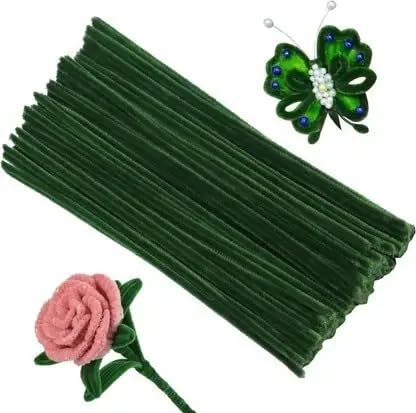
- 100 Pieces Value Pack: Includes 100 high-quality pipe cleaners, perfect for multiple DIY craft projects, school activities, and creative use at home or in classrooms.
- Flexible & Easy to Shape: Made with a strong inner wire and soft chenille material, allowing easy bending, twisting, and shaping without breaking
- Ideal for Kids & Adults: Suitable for children’s crafts, school projects, hobby art, DIY decorations, and creative learning activities.
- Soft & Durable Material: Smooth chenille texture is gentle on hands while remaining sturdy enough to hold shapes firmly.
- Multi-Purpose Craft Supply: Perfect for flower making, art modeling, handmade decorations, ornaments, figures, and creative designs.
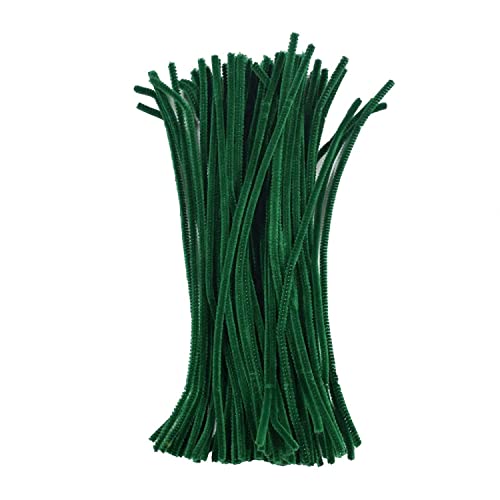
- MADE OF PREMIUM QUALITY: ProKart Premium Pipe cleaners are made of wire and fiber. You can turn the pipe cleaners into any shape by twisting, curling or wrapping them. Ideal accessory for craft…
- WONDERFUL GIFT CHOICE: These colored pipe cleaners are a good gift option for craft lovers who enjoy doing variety of art jobs. Great for developing kids’ imagination and creativity.
- Package Includes: Pack of 100 Pcs in Dark Green Color, One Pack of 100 Pcs.
- Wide Application: Perfect for craft projects such as create toy, decoration, dolls and birthday cards etc. Nice gift for kids to decorate any festivals.
- Flexible in Length: Flexibly bent, twi sted, curled or wrapped into creative shapes and figures.
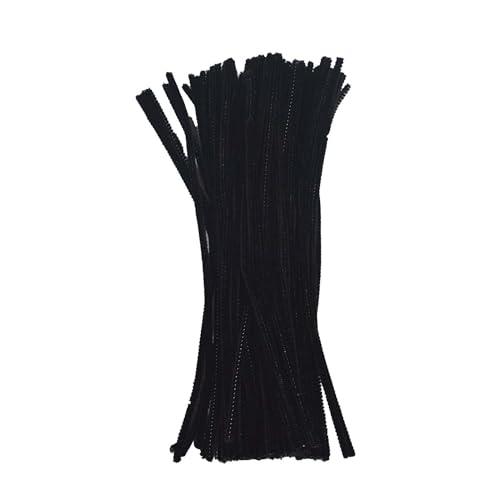
- High-Quality & Durable Materials: Made from sturdy wire and soft fiber, ProKart jumbo pipe cleaners are designed for flexibility and resilience. Easily twist, curl, or wrap into any shape, making them…
- Complete Crafting Set – 100 Premium Black Pipe Cleaners: Each pack includes approximately 6mm diameter, 12-inch long pipe cleaners, totaling 100 versatile pieces—perfect for a wide range of…
- Ideal Gift for Art & Craft Enthusiasts: These vibrant, colorful pipe cleaners make an excellent gift choice for kids, teachers, and craft lovers who enjoy exploring various artistic projects. Perfect…
- Multi-Purpose Creativity & Educational Fun: Perfect for preschoolers, family DIY sessions, classroom activities, and craft projects. Use them to create puppets, flowers, vegetables, animals, holiday…
- Easy to Cut, Reusable & Recyclable: These pipe cleaners can be easily trimmed to desired lengths without falling apart, and they can be straightened and reshaped multiple times, offering long-lasting…
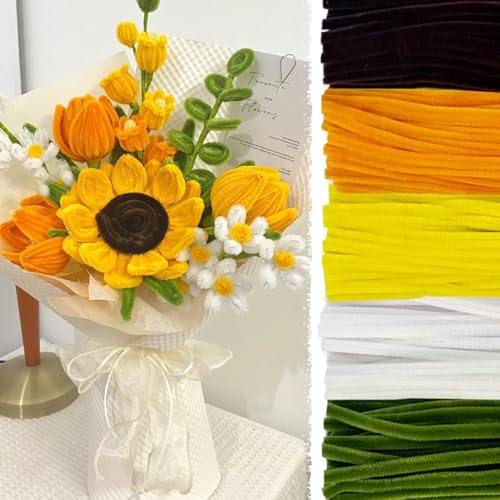
- PREMIUM QUALITY: Crafted from high-grade chenille material, these pipe cleaners are soft, flexible, and durable for all your creative projects
- VIBRANT COLOURS: Set includes 7 beautiful pastel macaron colours that add a delightful aesthetic to any arts and crafts activity
- VERSATILE USE: Perfect for school projects, holiday decorations, DIY crafts, and educational activities for children and adults alike
- EASY TO SHAPE: Bendable wire core allows these chenille stems to hold their form while maintaining softness for comfortable handling
- GENEROUS SUPPLY: Comes with multiple pipe cleaners in each pastel shade, providing ample materials for individual or group craft sessions
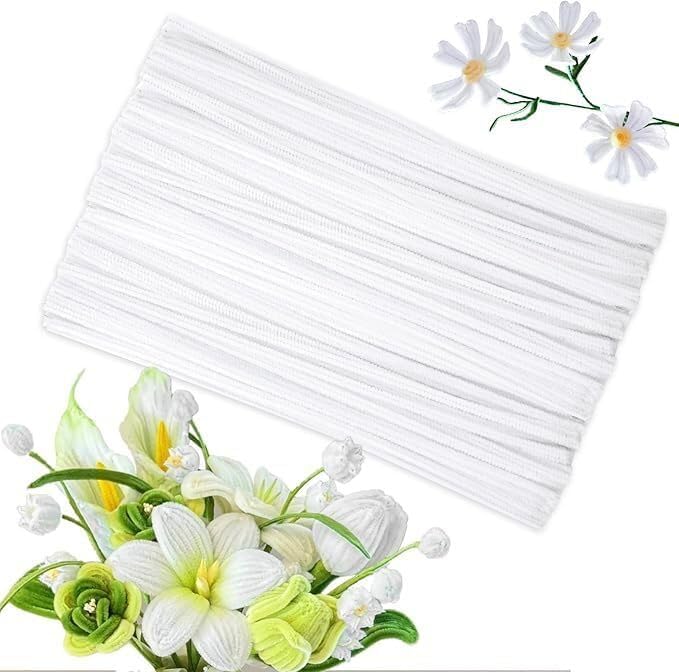
- 100 Pieces Value Pack: Includes 100 high-quality pipe cleaners, perfect for multiple DIY craft projects, school activities, and creative use at home or in classrooms.
- Flexible & Easy to Shape: Made with a strong inner wire and soft chenille material, allowing easy bending, twisting, and shaping without breaking
- Ideal for Kids & Adults: Suitable for children’s crafts, school projects, hobby art, DIY decorations, and creative learning activities.
- Soft & Durable Material: Smooth chenille texture is gentle on hands while remaining sturdy enough to hold shapes firmly.
- Multi-Purpose Craft Supply: Perfect for flower making, art modeling, handmade decorations, ornaments, figures, and creative designs.
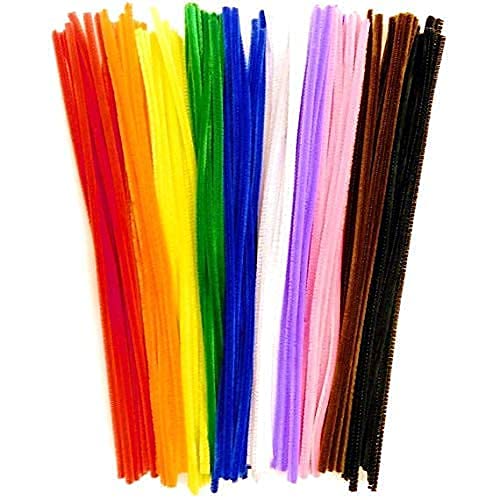
- WHAT’S IN THE PACK- Assorted Color 12 Inches Pipe Cleaners.
- FOR CRAFTS- Our Pipe Cleaner are widely used in Kids Crafts Making Activity, DIY Activities, Making Funny Figures and In School Projects.
- GOOD CHOICE- These Pipe Cleaners can also be used in all Funny Figures Making like Animals, Spiders, Puppets and Plants. These are also good choice for gifting kids and someone who likes making…
- MAKE FUN CRAFTS- Craft Pipe Cleaners are colorful furry flexible sticks which can be twisted into any shape according to your desire.
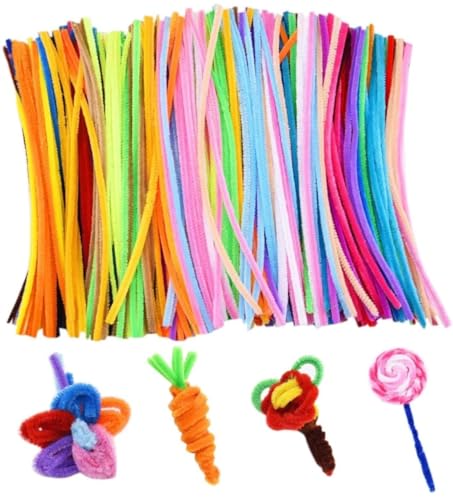
- Package: Available in Pack of 100,200 & 500 Pcs.
- 10 DIFFERENT COLORS: Package contains 10 assorted colors pipe cleaners (approx 6mm in diameter, 12 inch in length), 10 pieces of each color, totally 100 Pcs to meet all your crafting needs
- MADE OF PREMIUM QUALITY: Our jumbo pipe cleaners are made of wire and fiber. You can turn the pipe cleaners into any shape by twisting, curling or wrapping them. Ideal accessory for craft projects…
- EASY TO CUT AND REUSABLE: These pipe cleaners allow you to cut them into the length you need and the floss will not fall apart. They can also be easily straightened for recreating
- Visit VRB Dec Store FOr More………….
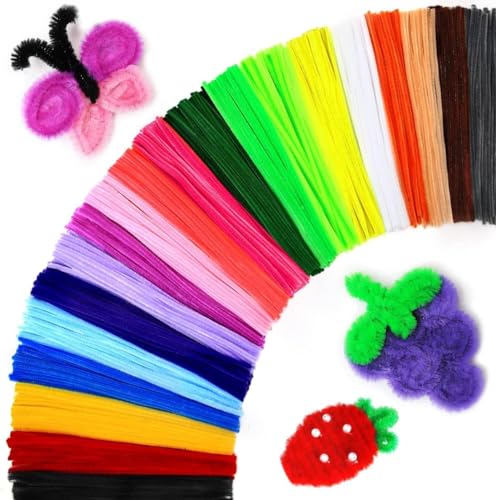
- Product: 100 pcs & 10 colors pipe cleaners well packed in each package, enough color and quantity to make all kinds of crafts, will provide tons of fun.
- Size: 12 inch and 6 mm in thickness, these pipe cleaners can be cut to make different projects, the length is up to your unique design.
- Premium Quality: The pipe cleaners are made of premium wire exquisite fiber ,they are flexible, durable, easy to twist, bend & wrap. They are eco-friendly chenille stems, ideal used as toys or gifts.
- Applications: You can express creativity with the pipe cleaners, you can make crafts such as chenille animals, chenille flowers, chenille cute items. Start your create with the pipe cleaners, wish you…
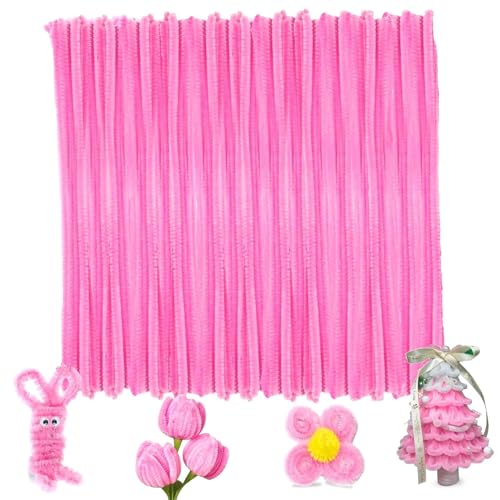
- These pipe cleaners are made from high-quality fuzzy chenille, giving them a soft texture and excellent flexibility for shaping and crafting.
- With 100 pipe cleaners in each pack, this set provides plenty of material for school activities, DIY decorations, group crafts, and creative art projects.
- The flexible wire center allows the stems to bend, twist, curl, or cut effortlessly, making them ideal for both simple and advanced craft designs.
- The bright pink shade adds a bold and cheerful touch to handmade flowers, animals, ornaments, jewelry, and decorative projects.
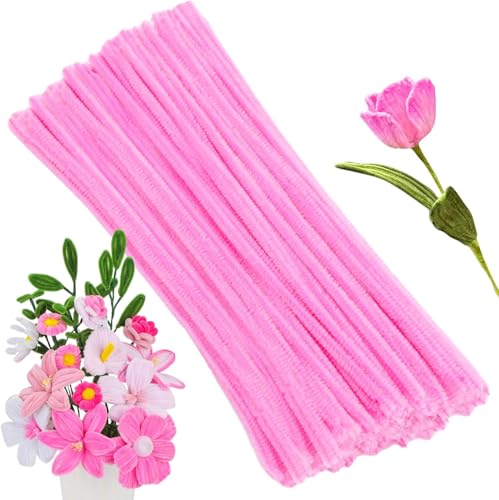
- What You Get: 100 pieces of colorful chenille stems pipe cleaners to meet all your crafting and decorating needs. Create countless cute and creative handicrafts for parties, classrooms, and holidays!
- Premium Quality Material: Made from durable wire and soft polyester fiber, these pipe cleaners are flexible, easy to twist, and comfortable to handle—perfect for both kids and adults.
- Easy to Use: The pipe cleaners can be easily cut to your desired length. Their bendable design allows shaping without glue, and the fiber covering stays intact without fraying.
- Endless Craft Possibilities: Ideal for making flowers, animals, ornaments, and DIY decorations. Perfect for Christmas crafts, school projects, and creative playtime.
- Encourage Creativity: These colorful pipe cleaners help children and adults explore imagination, enhance creativity, and improve hands-on skills. Great for bonding activities with family and friends.
- Craft Quality: Made of soft and flexible chenille material, these pipe cleaners are easy to bend, twist, and shape for various creative projects.
- 100 Pcs Value Pack: Comes with 100 uniformly sized stems, providing enough quantity for multiple art and craft activities.
- Ideal Length & Size: Each stem measures 30 cm, making it suitable for detailed, decorative, and larger craft designs.
- Safe & Easy to Use: Smooth texture and non-toxic material make it comfortable and safe for everyday crafting use.
- Perfect for DIY Projects: Great for kids’ crafts, school assignments, hobby work, model making, decorations, and creative experiments.