Moving into your first college room is equal parts exhilarating and overwhelming. I still recall staring at those blank white walls my freshman year, feeling homesick and wondering how I’d ever make this tiny box feel like myself.
The reality is, your dorm room becomes your sanctuary—it’s where you’ll study late into the night, laugh with new friends, and build memories that live forever.
Decorating that room isn’t just about aesthetics; it’s about constructing a comfortable refuge that reflects your personality and helps you survive during one of life’s most changing chapters.
Whether you’re dealing with a shoebox-sized single or sharing a cramped double, the appropriate design choices can radically improve your college experience.
1. Layer Your Lighting for Instant Ambiance
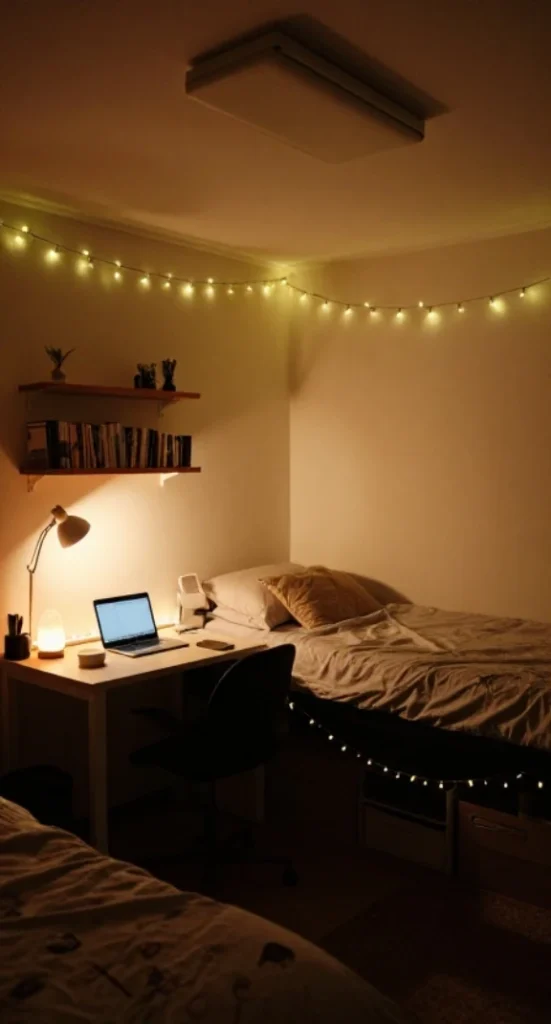
Harsh overhead fluorescent lights are the enemy of comfortable dorm feelings. Instead of relying entirely on that unattractive overhead fixture, create a warm ambiance by layering numerous light sources throughout your area.
String lights are a college favorite for good reason—they’re economical, easy to hang, and quickly make any place feel more inviting. Add a small desk lamp with a warm bulb for focused study sessions, and consider a floor lamp or clip-on reading light near your bed.
Fairy lights hung across your headboard or along bookcases give lovely touches without taking up precious floor space. Salt lamps or LED strips behind your desk can give moderate ambient illumination that’s better for tired eyes during late-night cramming sessions.
The idea is establishing options so you can adjust the mood based on whether you’re studying, resting, or hanging out with pals.
2. Maximize Vertical Space with Wall Storage
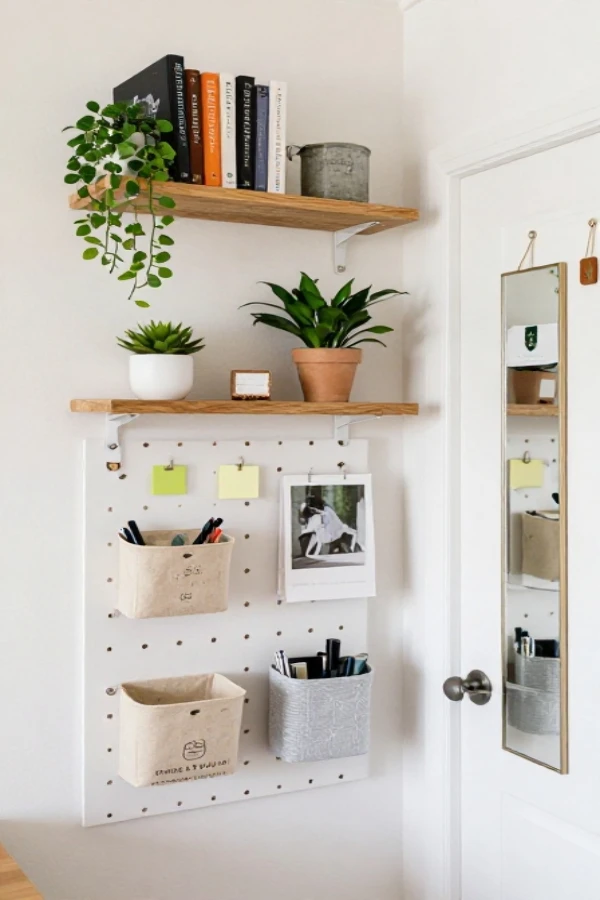
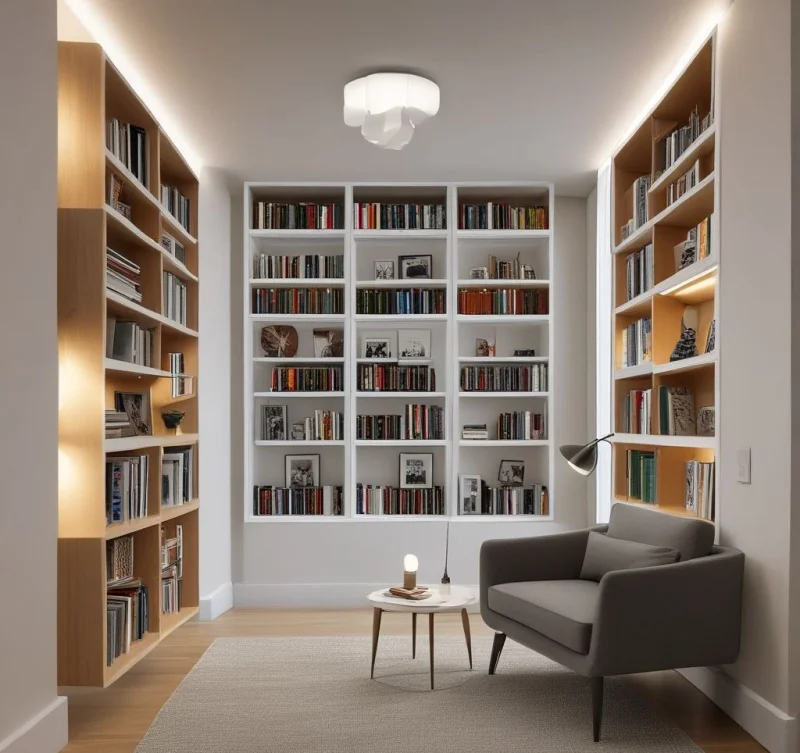
When floor space is restricted, your walls become precious real estate. Floating shelves are dorm-room game-changers—they display your favorite books, plants, and photos while keeping surfaces clear for actual work.
Command strips make installation straightforward without damaging walls, which is vital for keeping your security deposit intact. Pegboards offer adaptable storage that changes as your needs alter throughout the semester; hang hooks for jewelry, little baskets for supplies, or clips for inspirational photographs.
Wall-mounted organizers near your desk keep pens, sticky notes, and chargers within arm’s reach but off your desktop. Don’t forget the back of your door—over-the-door hooks, shoe organizers, and hanging mirrors utilize this often-overlooked location.
Vertical storage isn’t only utilitarian; when arranged intelligently with complementary colors and textures, it becomes part of your room’s aesthetic appeal.
3. Invest in Multipurpose Furniture Pieces
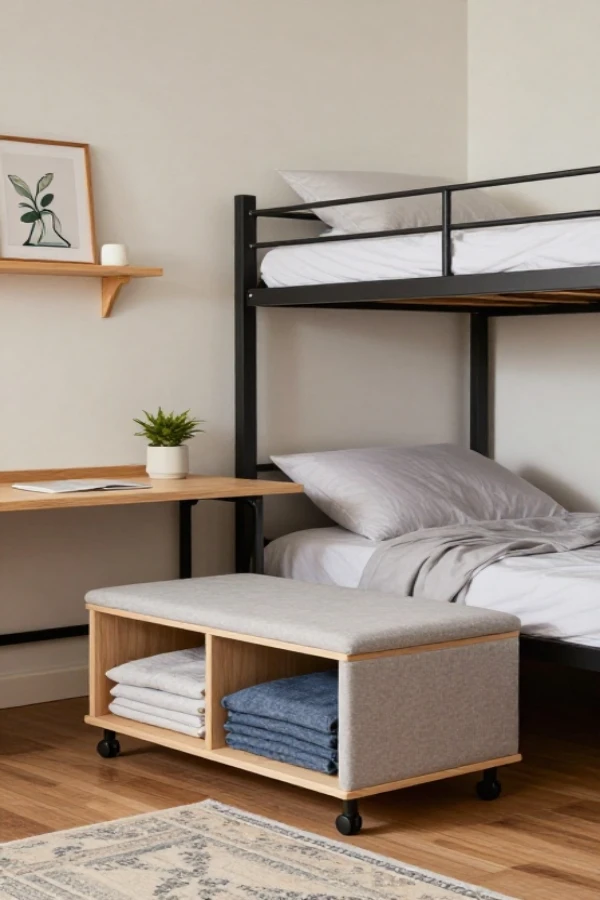
Every piece of furniture in a dorm room should earn its keep by fulfilling many tasks. Storage ottomans are ideal examples—they provide extra seats when friends visit, store blankets or off-season things within, and can even double as a coffee table or footrest.
Bed risers create essential under-bed storage space for bins carrying everything from snacks to winter coats. A folding desk that mounts to the wall saves floor space while you’re not studying.
Rolling carts are very versatile, working as nightstands, snack stations, or beauty supply holders that you can tuck away when needed. Futons or sleeper chairs serve overnight guests without permanently surrendering floor space.
Before purchasing something, ask yourself if it serves at least two purposes—your cramped quarters will thank you for this discipline.
4. Create a Photo Wall That Tells Your Story
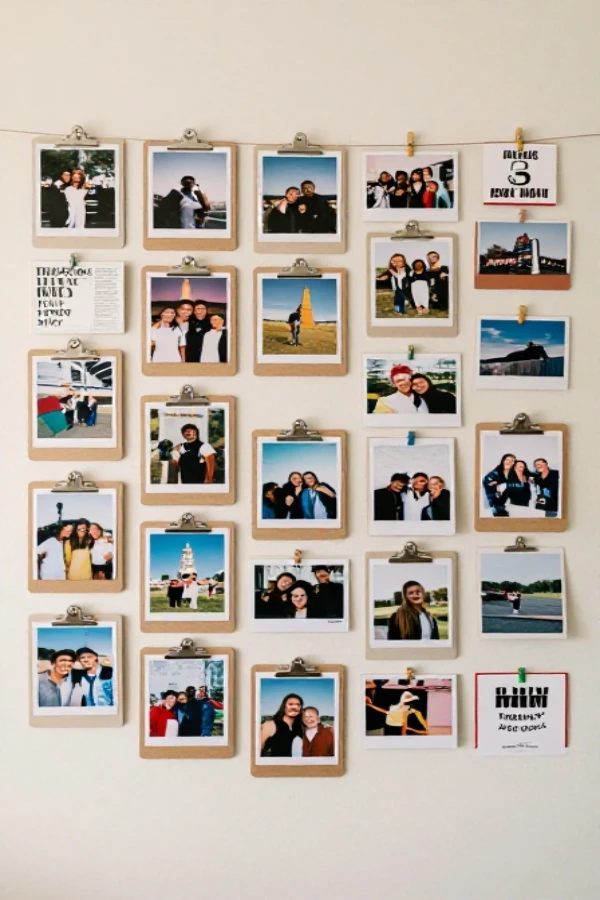
Nothing makes a dorm feel more personal than surrounding yourself with memories and people you love. A photo wall transforms plain institutional walls into a visual journal of your life and adventures.
Mix printed images with postcards, concert tickets, encouraging statements, and little artwork to create an eclectic gallery that grows throughout the year. Washi tape creates damage-free borders and adds splashes of color while keeping your RA happy.
Clipboards placed in a grid arrangement make swapping images easy as you create new memories. String with little clothespins gives a casual, bohemian vibe suitable for Polaroids or Instagram prints.
Don’t limit yourself to only images of people—include glimpses of places you’ve been, objects that inspire you, and moments that make you smile. This visible reminder of your support system helps overcome homesickness during challenging weeks.
5. Add Texture with Cozy Textiles and Fabrics
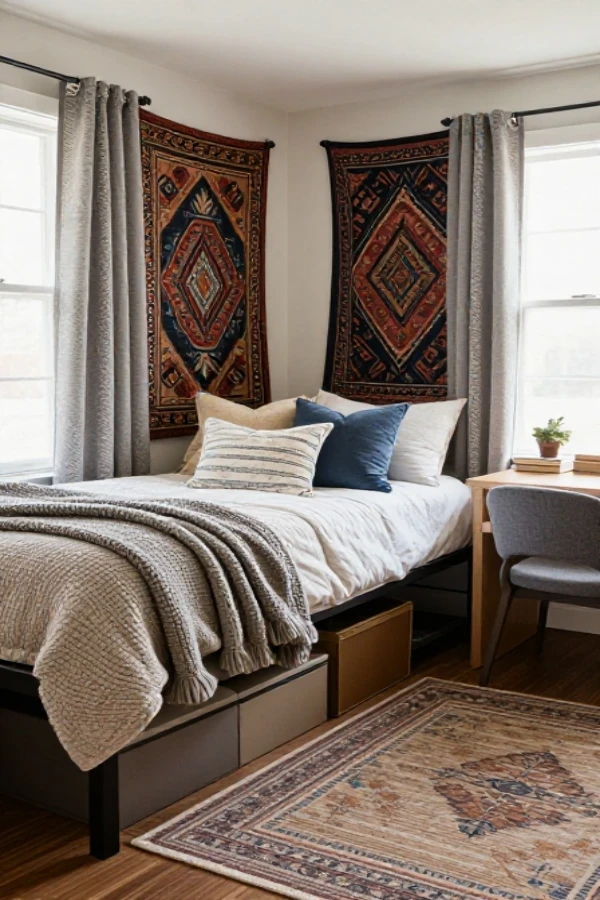
Dorm rooms often feel chilly and institutional until you layer in soft materials that warm up the area both literally and psychologically. Start with your bed—upgrade those scratchy dorm sheets with softer options, then pile on throw pillows in all sizes, colors, and textures.
A bulky knit blanket draped across your bed or desk chair adds instant comfort and visual intrigue. Area rugs define your space and make those cold dorm floors more bearable for bare feet during early morning lessons.
Tapestries are college staples because they cover vast wall portions rapidly and add dramatic color or pattern. Curtains soften stark windows while giving privacy and light control—choose ones that fit your color palette.
Don’t be afraid to blend patterns and textures; this layering provides depth and makes small spaces appear curated rather than cluttered.
6. Designate a Study Zone That Boosts Productivity
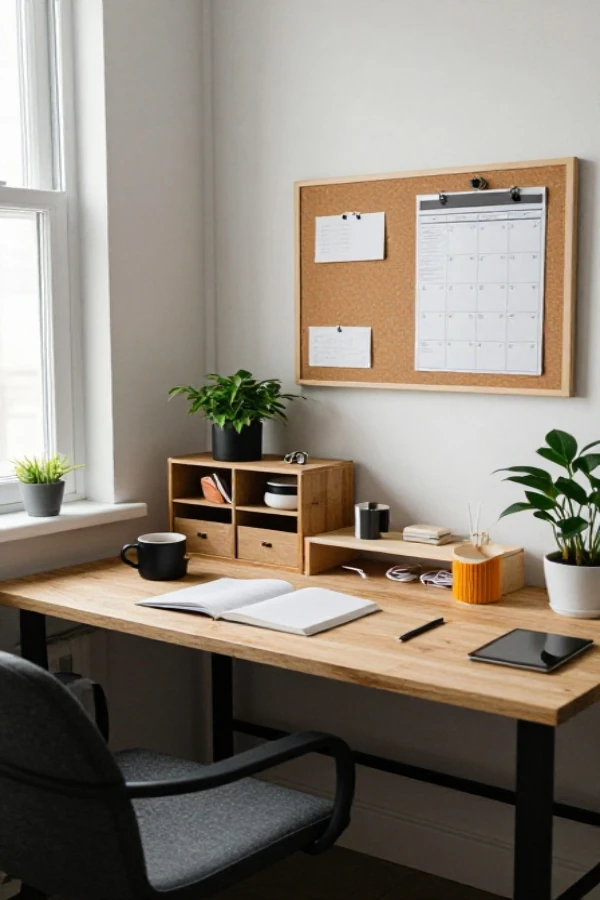
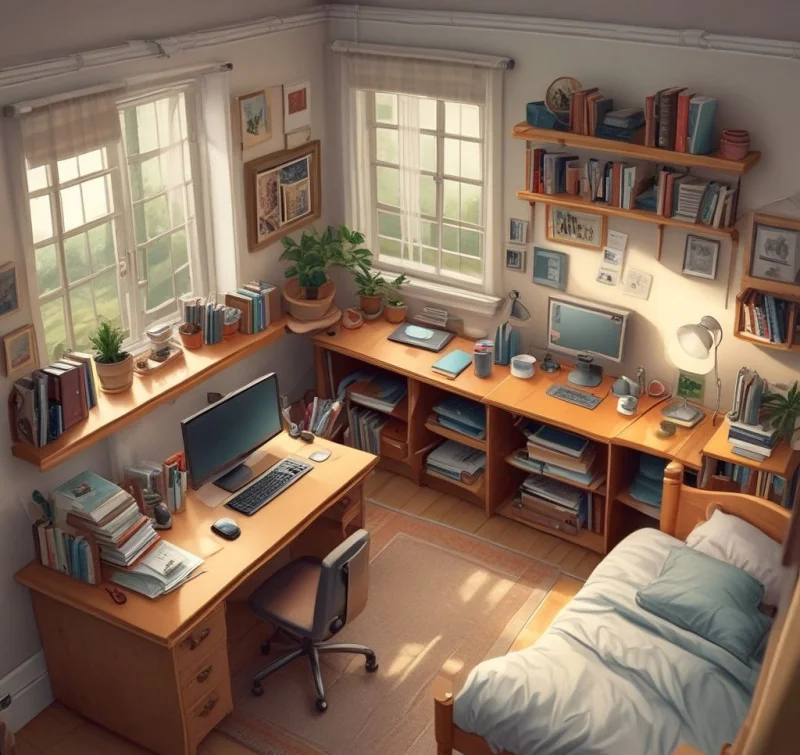
Your dorm room plays double duty as both living space and study headquarters, so building a designated work zone helps your brain flip into attention mode. Position your workstation near a window if possible—natural light enhances attention and mood during long study periods.
Keep your desktop organized with drawer dividers, desktop organizers, and cable management solutions that minimize cord mess. A corkboard or whiteboard above your desk gives space for pinning assignment deadlines, inspirational messages, or weekly calendars.
Personalize your study environment with a desk plant, your favorite coffee mug, or a small speaker for background music. Good desk arrangement isn’t just aesthetic—it significantly improves your productivity and stress levels.
I’ve discovered that spending ten minutes each Sunday tidying my study space sets the tone for a fruitful week ahead.
7. Incorporate Plants for Life and Fresh Air
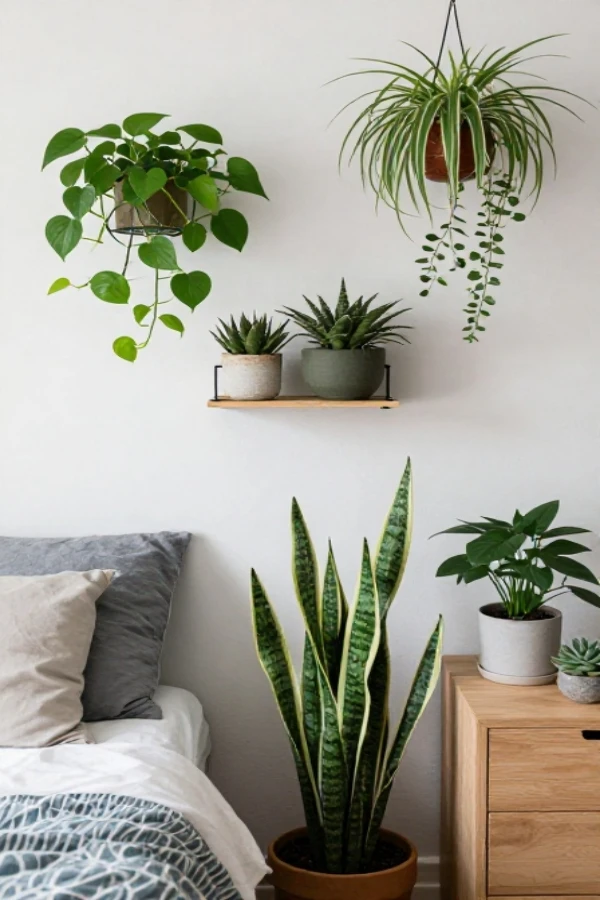
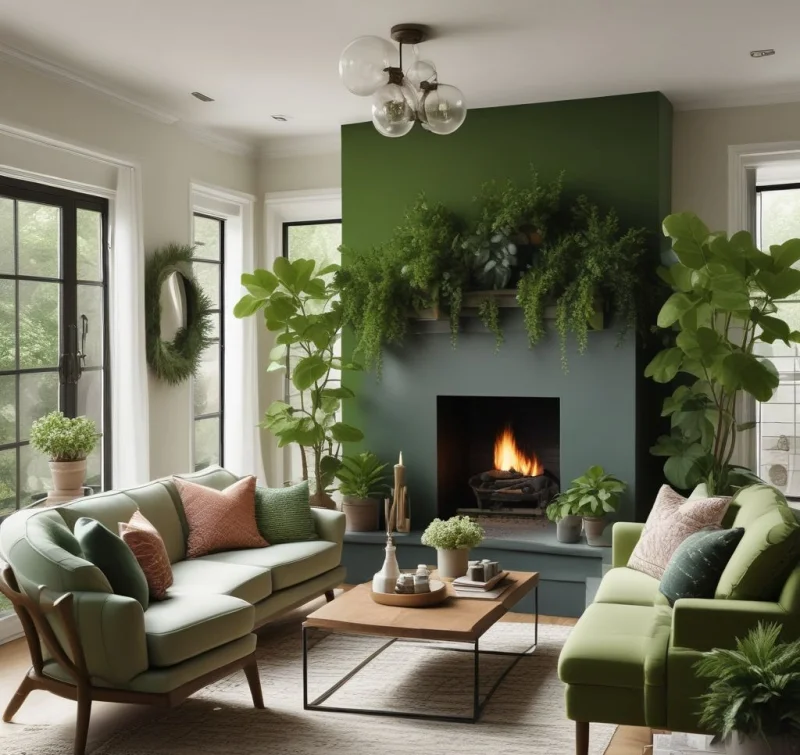
Bringing nature within instantly enhances any dorm room while increasing air quality and your mental wellness. Don’t worry if you lack a green thumb—plenty of low-maintenance plants thrive despite student schedules and varied sunshine conditions.
Pothos and snake plants withstand neglect astonishingly well and filter air while growing. Succulents give sculptural appeal and require minimum watering, excellent for forgetful students. Hanging plants like spider plants enhance space by leveraging vertical surfaces.
If you’re truly plant-challenged, high-quality artificial plants have come a long way and provide visual benefits without the care requirements. Place plants on shelves, desks, windowsills, or hanging planters to disseminate greenery around your space.
than looking fresh and vibrant, tending to live objects provides stress relief during stressful academic periods and gives you something nurturing to care for than yourself.
8. Use a Cohesive Color Palette for Visual Harmony
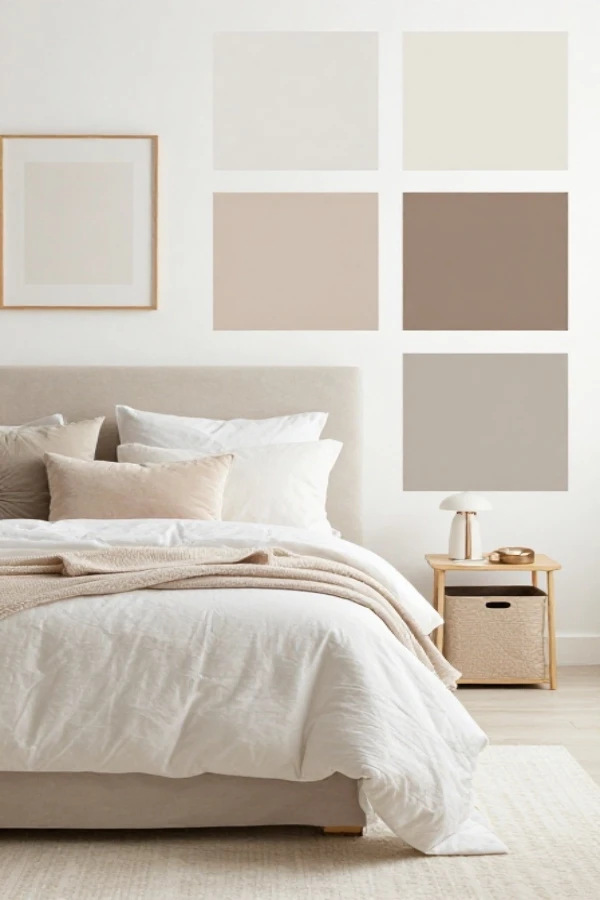
While it’s tempting to acquire whatever cute decor catches your eye, keeping to a unified color scheme produces a more sophisticated, pulled-together look. Choose two to three major colors plus one or two accent hues, then let this palette drive all your décor decisions from bedding to storage containers.
Neutrals like white, beige, or gray offer a relaxing base that makes small rooms feel larger. Add uniqueness through accent colors in pillows, artwork, and accessories that you can easily replace when your taste evolves.
Metallic embellishments in gold, rose gold, or silver give subtle sophistication without overwhelming small rooms. Having a color scheme doesn’t imply everything matches perfectly—varied tints and tones of your chosen colors provide visual interest while preserving harmony.
This strategy also makes shopping easier because you’ll know instantly whether potential goods fit your set taste.
9. Establish a Cozy Corner for Relaxation
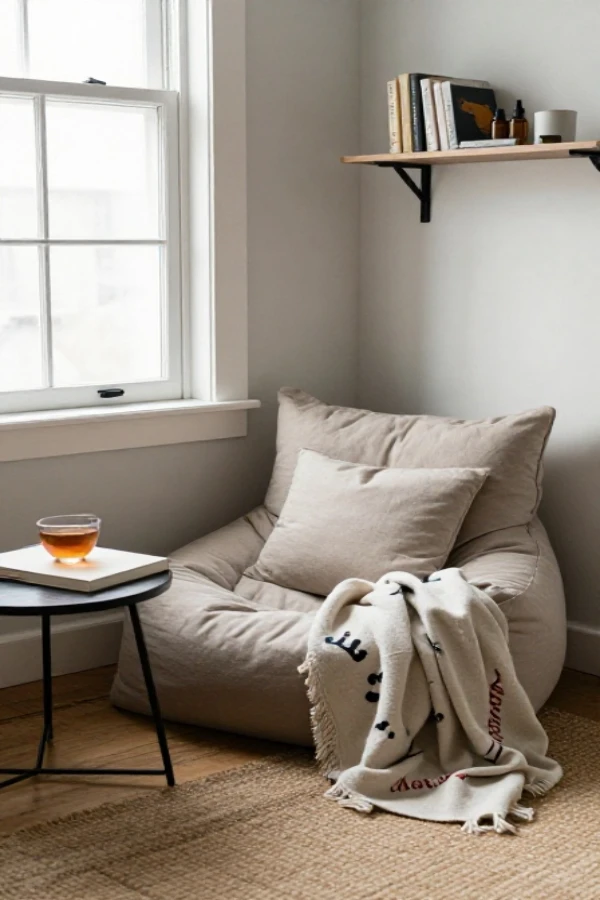
College is hectic, and your room needs a designated space that screams “relax” when you need to decompress. This could be a reading nook built with a comfortable chair, floor cushion, or bean bag positioned near a window with adequate natural light.
Add a tiny side table to keep your current book, tea, or journal. A comfortable throw blanket within reach makes this spot even more welcoming during cold months. If space is particularly restricted, even just making your bed extra comfy with loads of cushions might transform it into your relaxation headquarters.
The key is selecting a specific place that your brain associated with rest rather than work or sleep. String a small shelf nearby with treasured books, fragrant scents, or a candle warmer to engage several senses.
Having this refuge within your room enables you genuinely rest without leaving your space—crucial when you’re fatigued but need a mental break.
10. Display Meaningful Items That Spark Joy
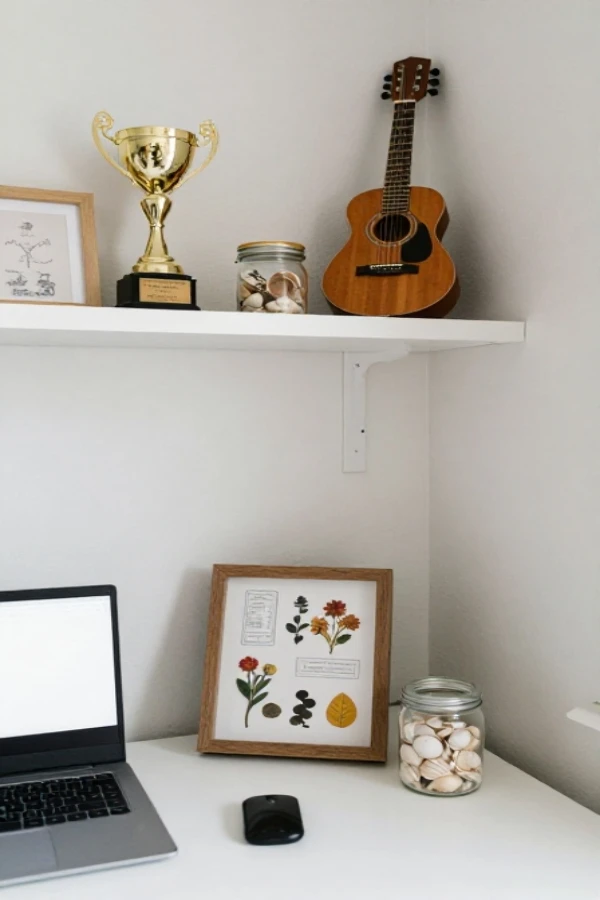
Your dorm room should reflect who you are, not just what’s fashionable on Pinterest. Reserve shelf or desk space for items that possess personal importance or provide you genuine enjoyment. This may include sports trophies, instruments you play, hobby supplies, collections you’ve cultivated, or gifts from important individuals in your life.
These meaningful artifacts serve as discussion starters when new friends visit and remind you of your identity beyond being merely a student. A little shadow box can exhibit concert tickets, pressed flowers from significant moments, or other flat memories.
Rotate exhibited things throughout the year to keep your area feeling new and indicative of your current interests.
I have a little jar of seashells from my family’s beach visits on my desk—during overwhelming periods, looking at them grounds me and reminds me of home. Your room should tell your story, not merely follow decor trends.
11. Organize with Stylish Storage Solutions
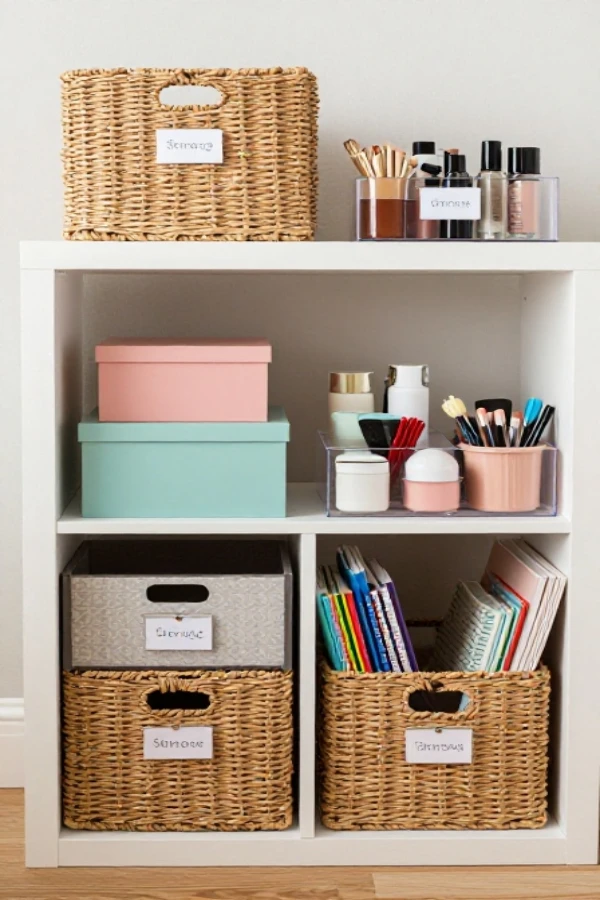
Clutter is the enemy of small-space living, but storage solutions don’t have to be unattractive. Woven baskets hide various items while adding texture and warmth to shelves or closet floors. Clear acrylic containers exhibit lovely goods like makeup, stationery, or skincare products while keeping them contained.
Decorative boxes in your color scheme can stack on shelves or under mattresses, concealing everything from snacks to seasonal items. Drawer dividers transform chaotic desk or dresser drawers into ordered systems where everything has a specific home.
Magazine holders keep textbooks, notebooks, or files neatly contained on your desk or shelf. The idea is finding storage that’s both functional and attractive—you’ll actually retain organizing systems when the containers themselves are appealing.
Label everything properly so roommates know what’s yours and returning goods to their houses becomes automatic rather than irritating.
12. Personalize with DIY Projects and Artwork
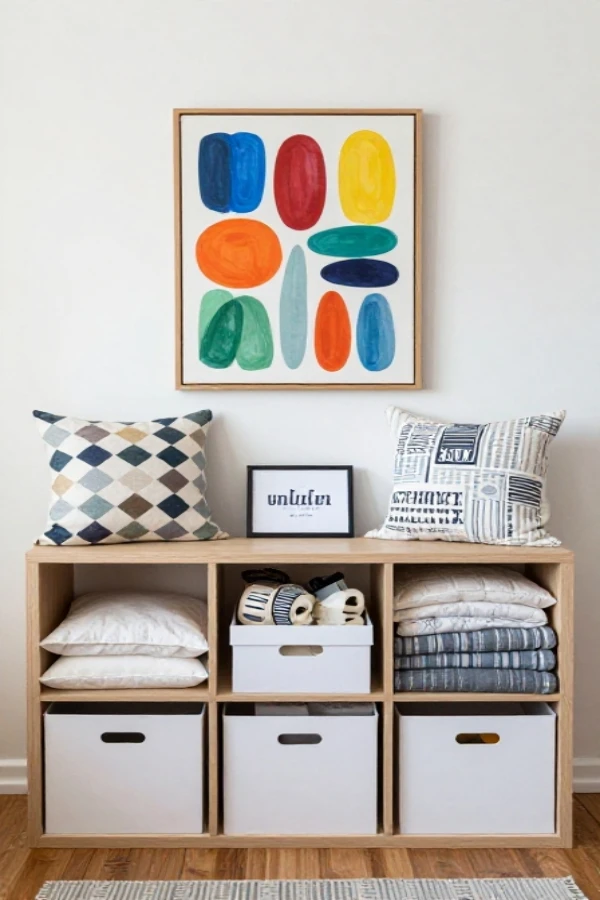
Budget-friendly DIY projects provide a unique individuality that mass-produced decor simply cannot mimic. Create your own abstract artwork using affordable canvases and acrylic paints in any color scheme—no creative experience required for modern abstract designs.
Frame fabric remnants, scrapbook paper, or even lovely napkins for fast “art” that costs just a few dollars. Make your own throw pillow covers by sewing or using fabric adhesive, using patterns you can’t buy in stores.
Letter boards with encouraging slogans, weekly goals, or hilarious sayings offer flavor and functionality. Customize ordinary storage boxes or containers with paint, washi tape, or adhesive paper to coordinate with your aesthetic.
These handmade touches make your place genuinely one-of-a-kind while staying within student budgets. Plus, crafts provides a creative outlet and stress relief during tough academic periods—definitely something I’ve relied on during particularly brutal exam weeks.
Frequently Asked Questions
How can I arrange my college room on a small budget?
Shop secondhand stores, use coupons at craft stores, and prioritize DIY projects using things you already own. Dollar stores sell surprisingly cute decor items like frames, plants, and storage boxes. Focus expenditure on adaptable things like lighting and fabrics that modify the area most drastically.
What are the finest colors for small dorm rooms?
Light, neutral colors like white, cream, light gray, or pastel blue make tiny spaces feel more expansive and airy. Add personality with bright touches like pillows, artwork, and accessories. Avoid dark walls, but don’t be scared of striking accent colors in moderation.
How do I make my dorm room feel more like home?
Surround yourself with familiar stuff like photos, blankets from home, cherished literature, and important décor. Add personal touches like your signature smell through candles or diffusers. Creating comfortable settings for both studying and relaxing helps develop that domestic sense quickly.
What decor pieces are normally disallowed in dorms?
Most dorms restrict candles with open flames, incense, string lights that aren’t LED, halogen lamps, and anything that destroys walls permanently. Always check your unique housing standards before selecting decor. Command strips and LED lights are usually safe choices.
How can roommates combine their interior styles?
Discuss color choices early and find common ground—perhaps you both choose one accent color while sharing neutral base colors. Divide the room visually so each person’s section represents their style while keeping overall cohesiveness. Compromise and communication prevent decorating issues before they start.
Conclusion
Transforming your college room into a personalized haven doesn’t take a large budget or interior design degree—just creativity, intention, and willingness to try.
The space you create will dramatically impact your college experience, affecting everything from your study habits to your general satisfaction.
Start with necessities that address both function and style, then layer in personal touches as you find what makes you feel most at home.
Remember, your room will alter during your college years as you grow and your needs change, so embrace flexibility.
Don’t fret about making everything perfect immediately; decorating is a continual process.
The best college rooms tell tales, provide comfort, and support both academic performance and personal welfare. Your dorm is more than simply where you sleep—make it count.
No products found.