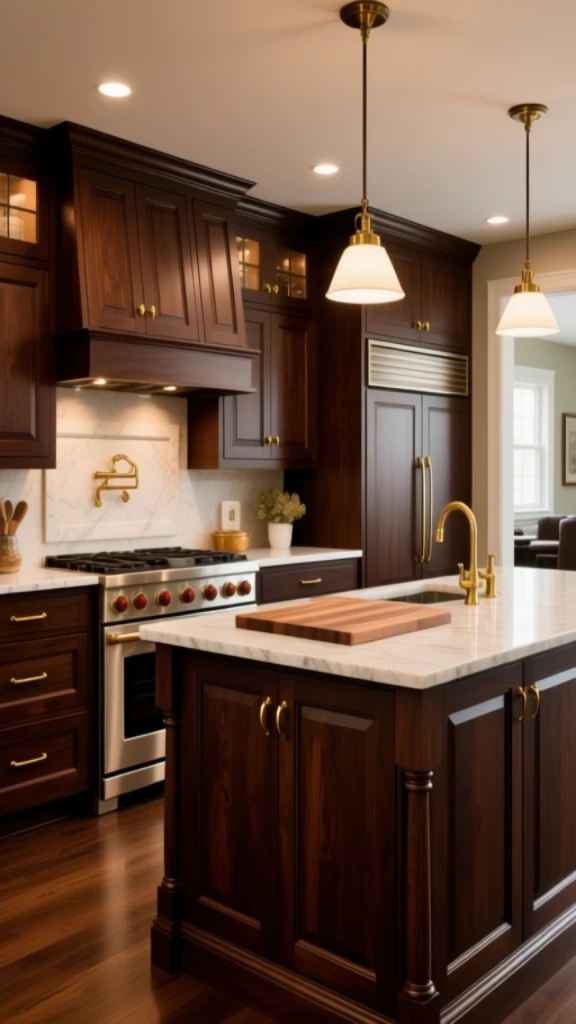
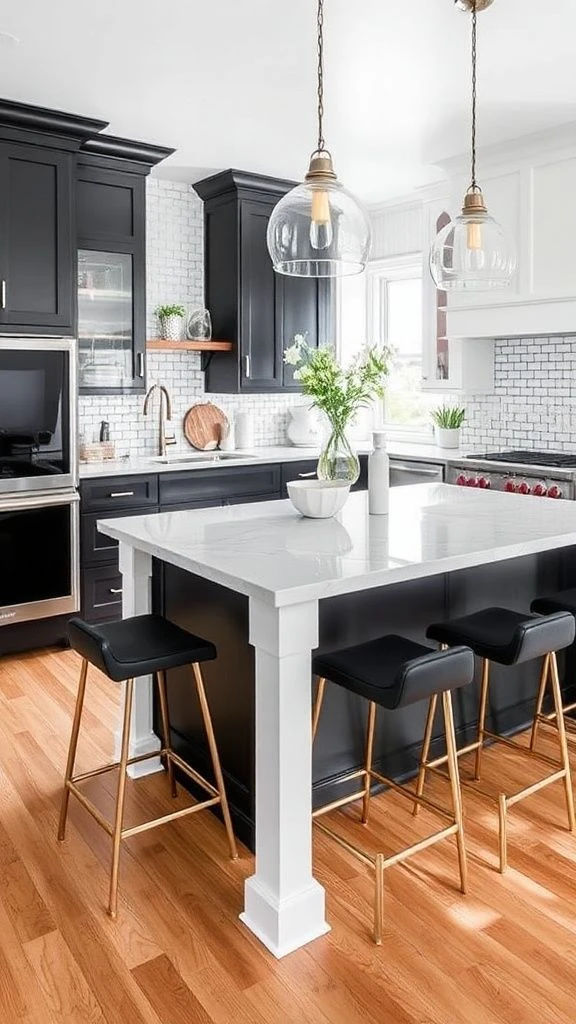
Living in a tiny home doesn’t mean you have to compromise on elegance or function—especially in the kitchen. I’ve spent years finding out how to make tiny kitchen environments feel open, orderly, and shockingly spacious.
Whether you’re in a modest studio, a tight apartment, or a downsized home, the correct design choices may convert even the tiniest kitchen into something beautiful and practical.
From ingenious storage hacks to eye-catching color choices, these compact kitchen ideas prove that small spaces can bring enormous flair. Ready to fall in love with your little kitchen?
Let’s dive into 25 inventive ideas to make the most of every inch.
1. Streamlined Minimalist Setup for Compact Living
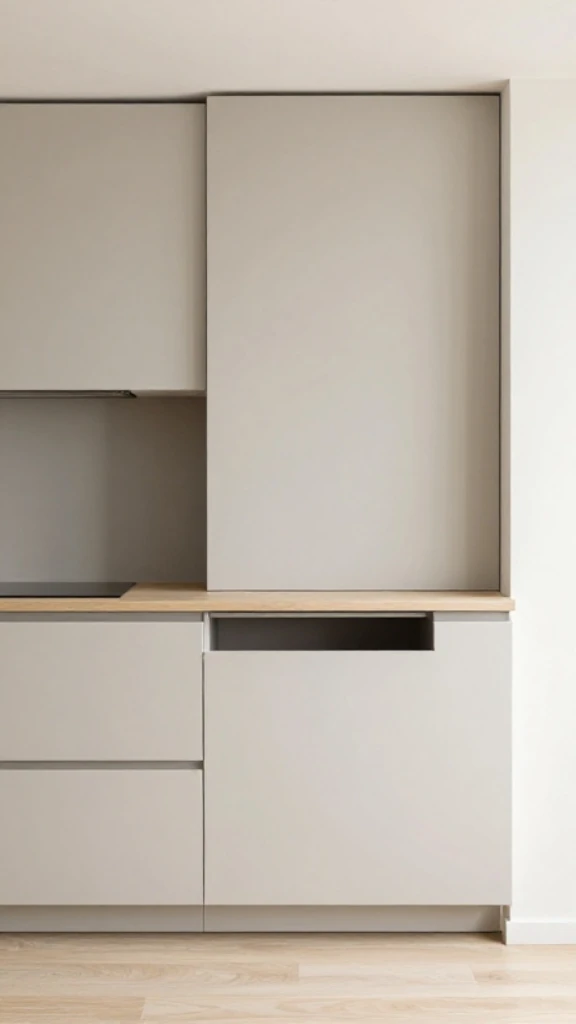
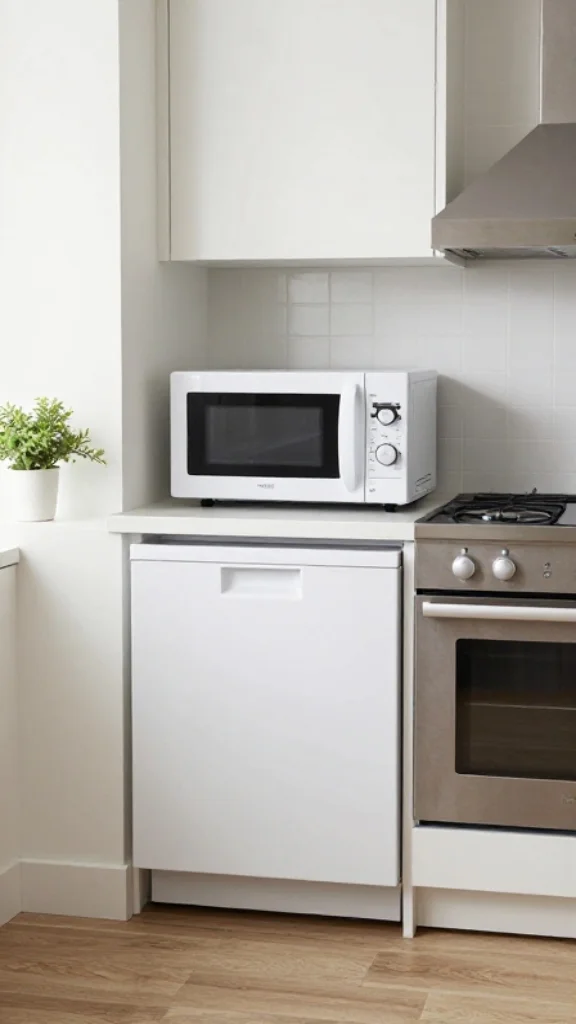
Clean lines and clutter-free surfaces define this approach to compact kitchen design. Think handleless cabinets in soft neutrals, streamlined appliances tucked neatly into custom units, and zero superfluous decorations vying for counter space.
This style thrives on simplicity—every object has a function, and nothing sits out until it’s actively being used. Choose light wood tones or matte white finishes to keep things breezy.
Incorporate concealed storage wherever possible, including drawer organizers for utensils and pull-out pantry racks. The beauty here resides in restraint; when you cut away the superfluous, your kitchen breathes better and feels twice its true size.
2. Vibrant City Kitchen with Striking Color Choices
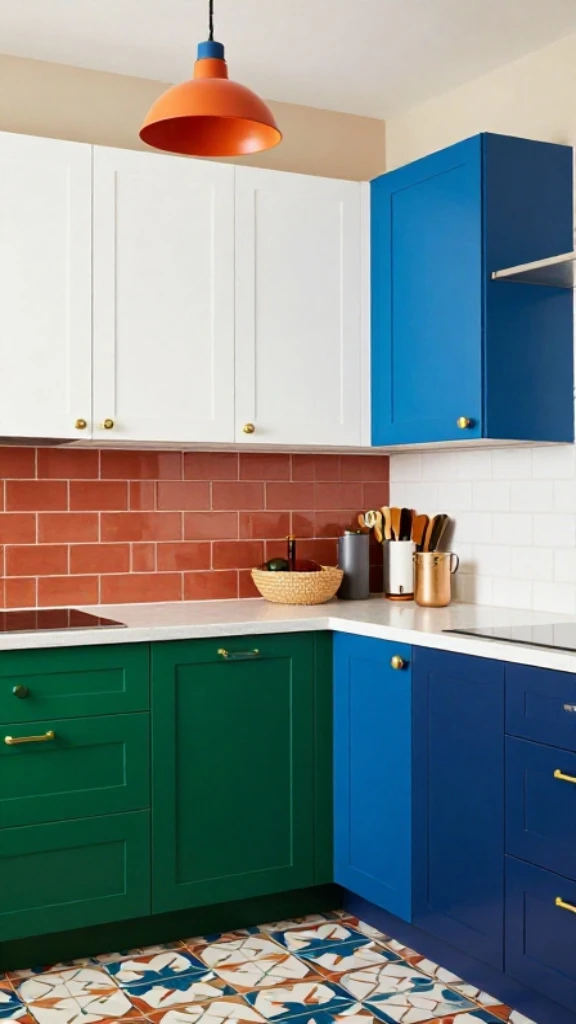
If you’re bored with dull beige walls and safe white cabinetry, inject some major individuality with bright, surprising colors. Picture deep emerald green bottom cabinets coupled with warm terracotta backsplash tiles, or electric blue cupboards against pristine white subway tiles.
Urban inhabitants especially adore this appearance because it lends life to otherwise functional surroundings. Don’t fear mixing metallics either—brass hardware can pop nicely against navy blue cabinets.
Add a colorful pendant light or patterned floor tiles to complete the ambiance. When your kitchen is small, going bold makes it memorable rather than forgettable. Honestly, who says little places have to play it safe?
3. Nordic-Inspired Light and Airy Design
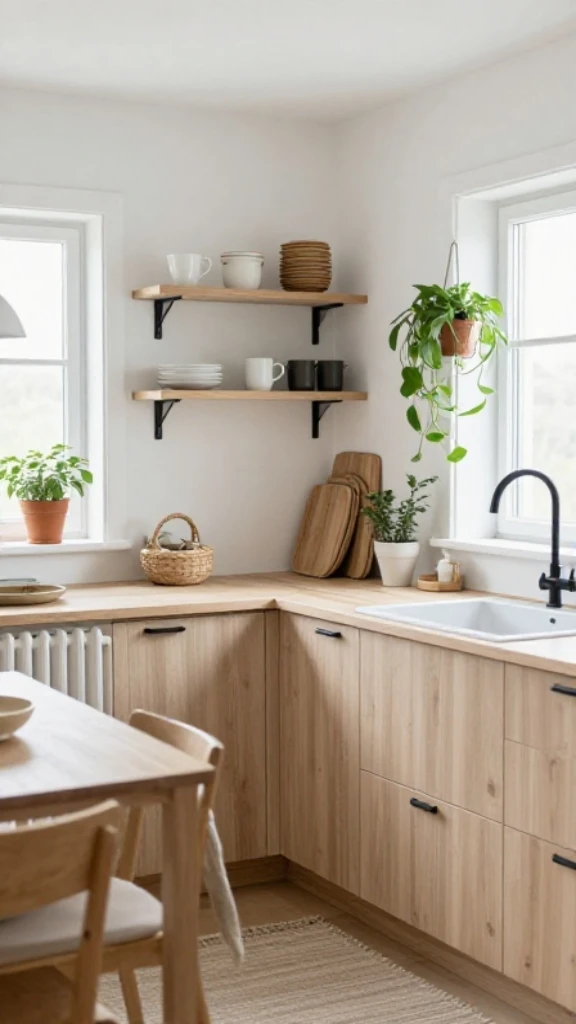
Scandinavian design concepts perform wonders in compact kitchens by optimizing natural light and creating peaceful, practical rooms. Pale wood cabinetry coupled with white walls instantly opens up the area, while simple black fixtures give just enough contrast without overwhelming.
Open shelving shows ordinary dishes and cups, making regularly used items accessible while preserving that casual, lived-in vibe. Plants on windowsills or hanging pots provide liveliness without taking up precious counter real estate.
Textured linens, woven baskets, and simple furnishings complete the comfortable yet clean design. This technique feels timeless and welcome, illustrating that less really can be more when done thoughtfully.
4. Country-Style Space with Visible Shelving
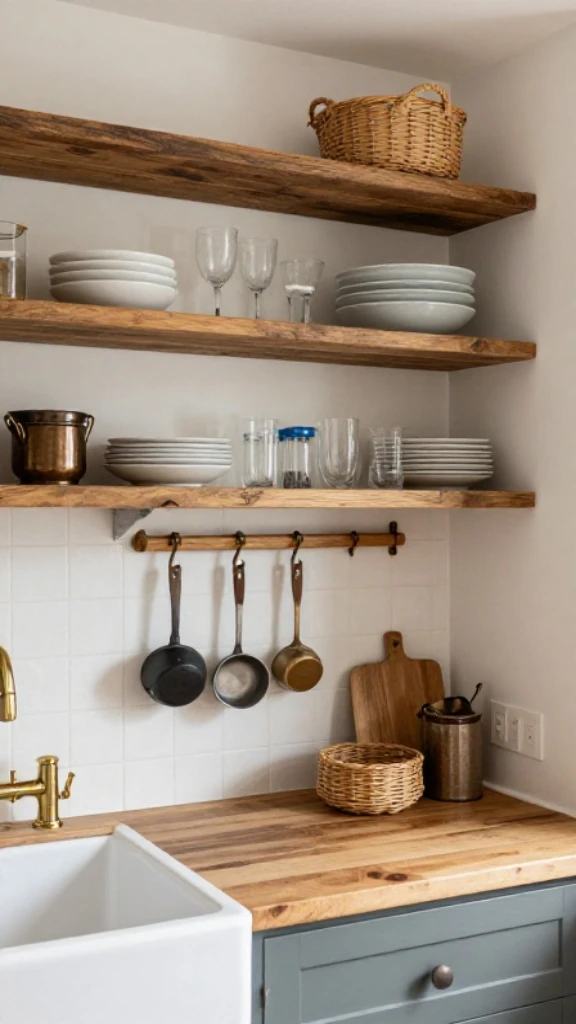
Exposed shelf offers rustic appeal while eliminating storage concerns in one clever step. Instead of higher cabinets that can make tiny kitchens feel boxy, wooden shelves showcase dishes, glassware, and cookbooks in an ordered yet casual fashion.
Reclaimed wood offers character and warmth, especially when paired with vintage-style hooks for hanging pots or utensils. This design works wonderfully with farmhouse sinks, butcher block counters, and earthy color palettes.
Keep shelves neat by putting comparable items together and using woven baskets for minor essentials. Yes, everything’s on display, but that’s part of the charm—it encourages you to curate what you own rather than hide clutter behind closed doors.
5. Modern Monochrome Kitchen Layout
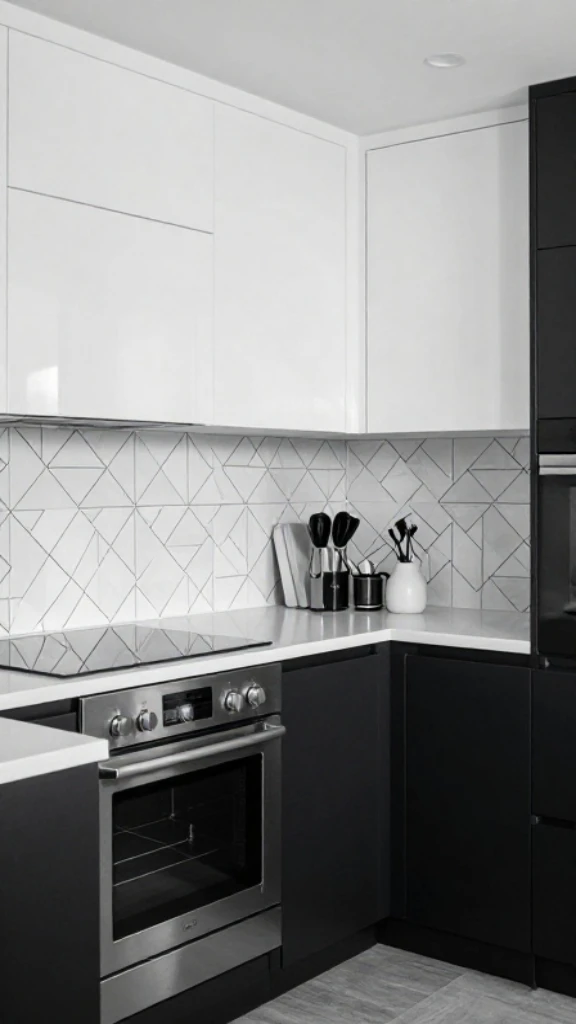
Sharp, smart, and constantly stylish—this black and white combo never goes out of vogue. High-gloss white upper cabinets reflect light beautifully, while matte black lower units balance the area with dramatic flair.
Stainless steel appliances integrate seamlessly into this style, and geometric backsplash tiles give visual interest without adding new hues. The contrast creates delineated zones even in tight spaces, making the kitchen feel carefully created rather than cramped in.
Chrome or brushed nickel fixtures preserve the streamlined appearance. This timeless palette complements any architectural type and easily adjusts if you wish to modify accent colors down the road through accessories or artwork.
6. Space-Saving Design with Collapsible Dining Area
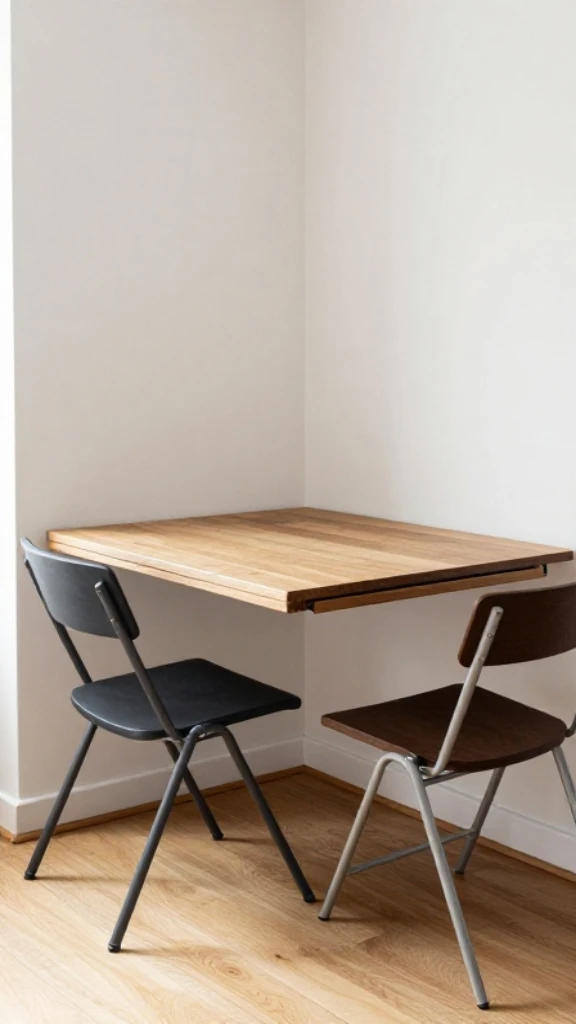
When floor space is at a premium, furniture that serves double duty becomes crucial. Wall-mounted drop-leaf tables fold flat when not in use, offering you prep space or a dining spot on demand.
Some designs have built-in storage underneath for tablecloths, napkins, or small kitchen items. Pair with folding chairs that hang on hooks or stack neatly in a corner closet.
This solution is fantastic for studio apartments or micro kitchens where a fixed table would impede walkways. You have the usefulness of a dining space without sacrificing mobility or making the room feel permanently crowded. It’s like having two kitchens in one!
7. Narrow Corridor-Style Cooking Space
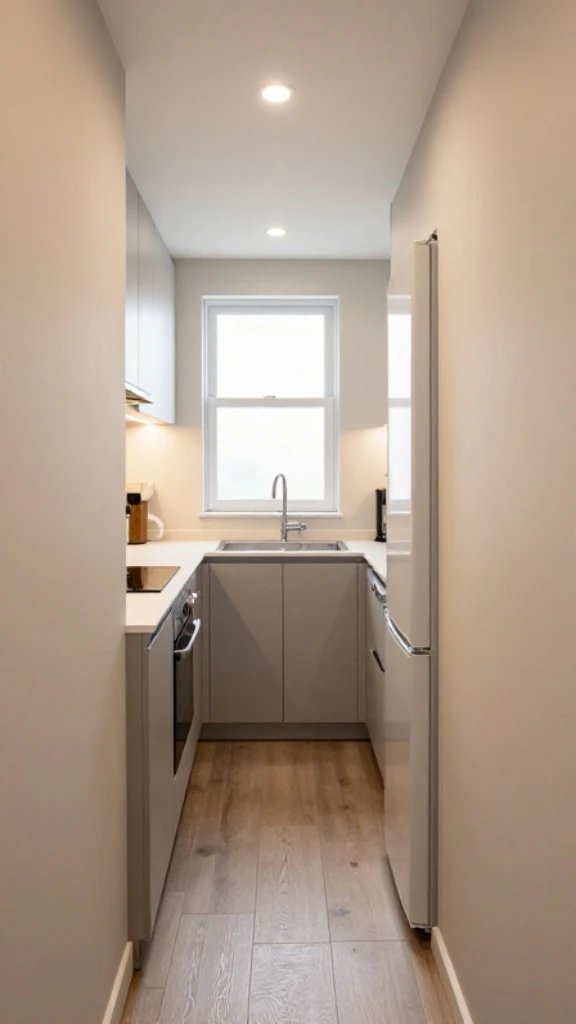
Galley layouts increase efficiency by positioning everything within arm’s reach along two parallel walls. This classic style works particularly well in tiny places like converted closets or hallway kitchens.
Position the sink and stove on one side, with refrigerator and storage opposite, making a natural workflow triangle. Light hues on both walls prevent the corridor from becoming tunnel-like, and under-cabinet lighting enhances work areas without requiring extra space.
End the galley with a window or mirror to enhance depth visually. While you won’t host large dinner parties in this configuration, you’ll appreciate how unexpectedly effective it becomes once everything has its proper home.
8. High-End Compact Kitchen with Metallic Accents
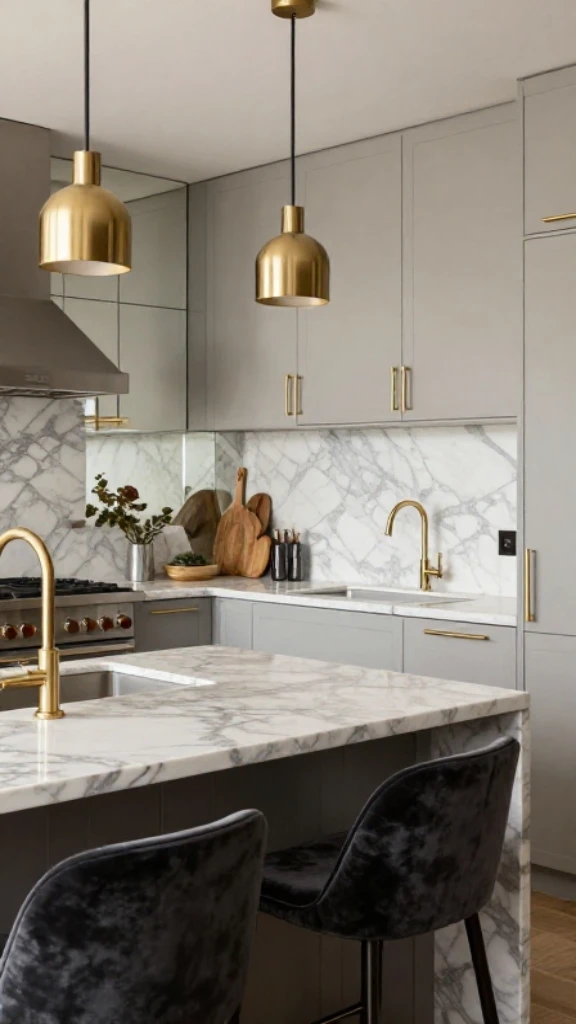
Small doesn’t have to mean inexpensive or basic—luxury accents transform any petite kitchen into something extraordinary. Think gold or brass cabinet handles, designer pendant lights, and a gorgeous marble backsplash in Calacatta or Carrara.
High-quality materials create a stronger impression in little quantities, so invest in that ideal faucet or a striking range hood. Mirrored backsplash pieces reflect light while adding glamor, and velvet-upholstered bar stools give surprising texture.
This technique illustrates that judicious investment in essential items provides an upscale vibe regardless of square footage. Sometimes one stunning element outshines an entire room of lousy selections.
9. Cozy Country Kitchen for Limited Areas
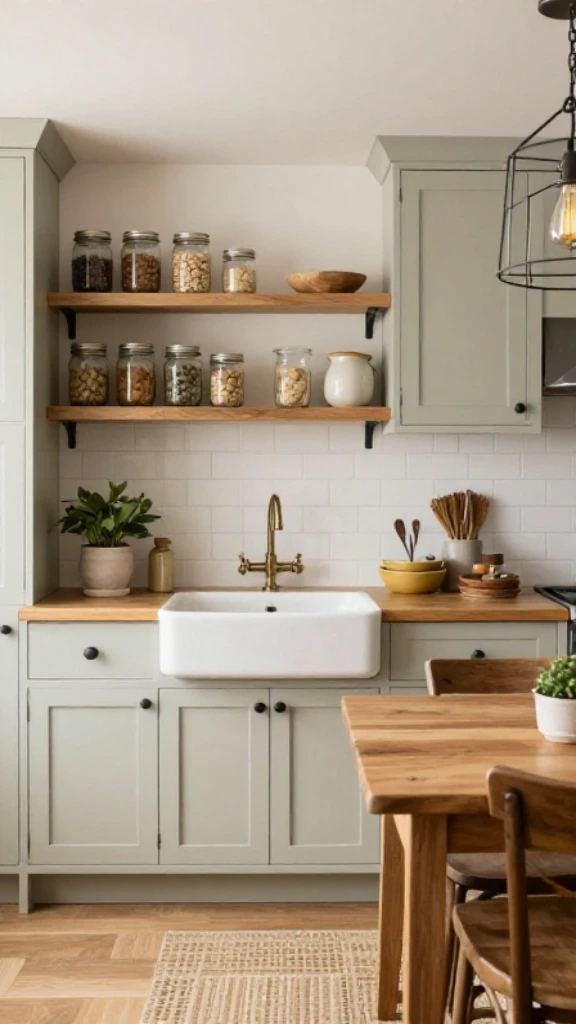
Farmhouse appeal shrinks down well when you focus on characteristic elements rather than trying to jam everything in. A porcelain apron-front sink becomes the focal point, while shaker-style cabinetry in soft cream or sage green preserves that rustic vibe.
Open shelf houses mason jars stocked with pantry items, and a tiny wooden table with mismatched seats provides charm. Vintage-inspired lighting fixtures, including Edison bulbs in wire cages, complete the design without overwhelming.
Incorporate natural materials—wood, stone, ceramic—to keep things grounded and warm. This style feels accumulated over time rather than bought all at once, giving your little kitchen actual flair.
10. Raw Urban Kitchen with Brick Feature Wall
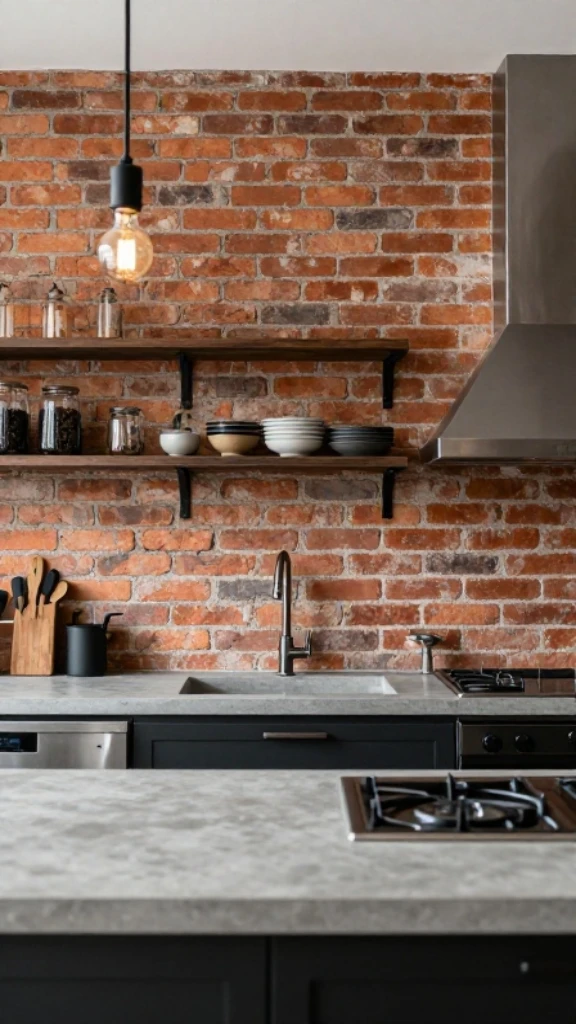
Exposed brick provides instant depth and history to industrial-style kitchens, especially in loft apartments or converted warehouse spaces. Pair it with concrete countertops, open metal storage, and stainless steel appliances for that true urban workshop vibe.
Black metal fixtures, Edison light pendants, and dark wood accents keep the style from feeling too cold or sterile. The brick itself becomes an artwork; you need less adornment cluttering surfaces.
Seal the brick properly to prevent dust and make cleaning easy. This approach encourages roughness and rawness, creating a kitchen that feels natural rather than staged—perfect if you favor character over polish.
11. Efficient Mini Unit with Wall-Mounted Storage
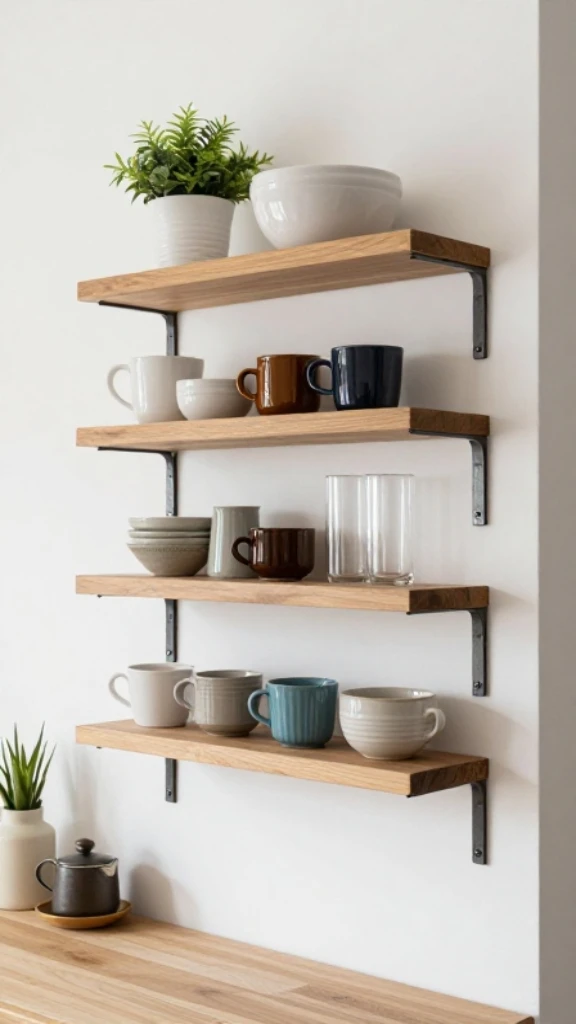
Floating shelves are absolute game-changers in tight kitchens because they give storage without the visual weight of traditional cabinets. Install them at varied heights to accommodate everything from coffee mugs to cookbook collections.
Choose sturdy wood shelves for a strong effect, or go with sleek metal brackets for industrial flair. The open design stops your kitchen from feeling closed-in, and you’ll actually remember what you possess when it’s visible.
Style them mindfully with a mix of useful objects and ornamental pieces—ceramic bowls, miniature plants, vintage glassware. Just remember that everything’s on display, so a little organizing goes a long way.
12. Intimate Kitchen with Built-In Breakfast Corner
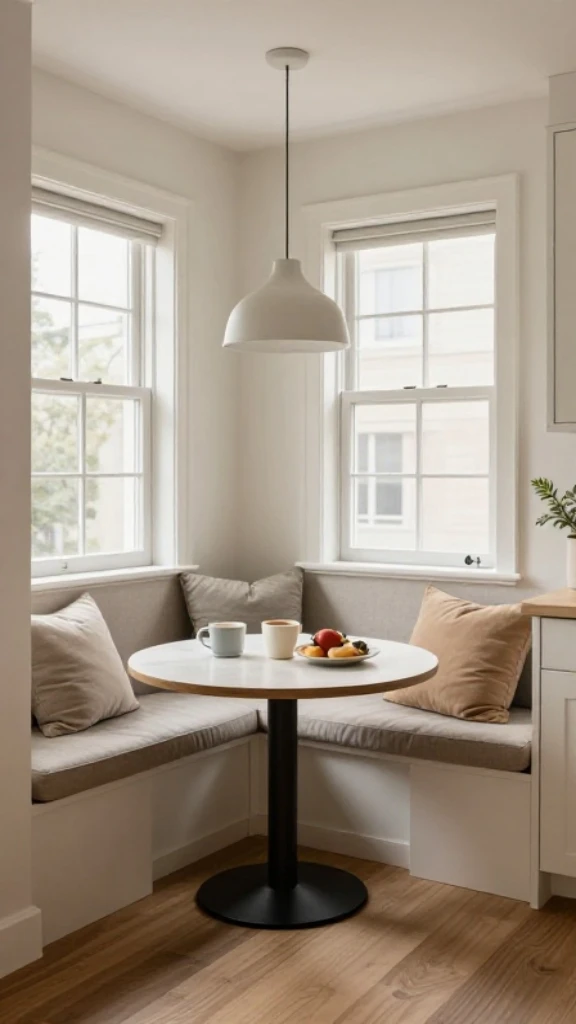
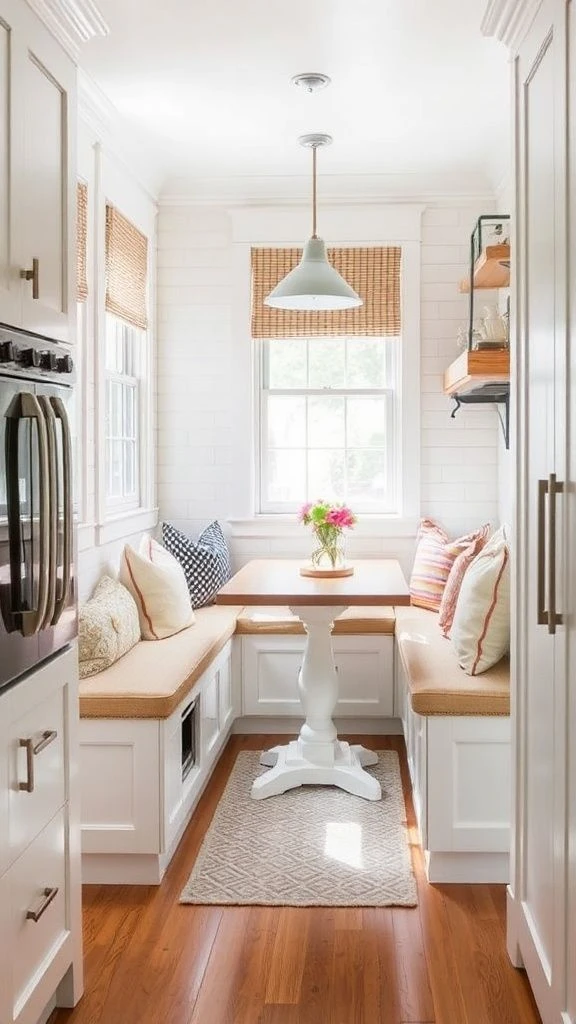
Carving up a tiny eating area within your kitchen gives a comfortable space for morning coffee or quick meals. Built-in banquette seating with storage underneath utilizes every inch, while a small round or square table tucks neatly into the nook.
Add cushions and toss pillows to make it inviting, and place a pendant lamp straight overhead to define the room. This layout works nicely in L-shaped kitchens or near windows where natural light rushes in.
It’s the kind of setting where you’ll linger over weekend brunch or catch up on emails with your coffee. Sometimes the smallest nooks become your favorite rooms.
13. Soft-Hued Kitchen in Gentle Tones
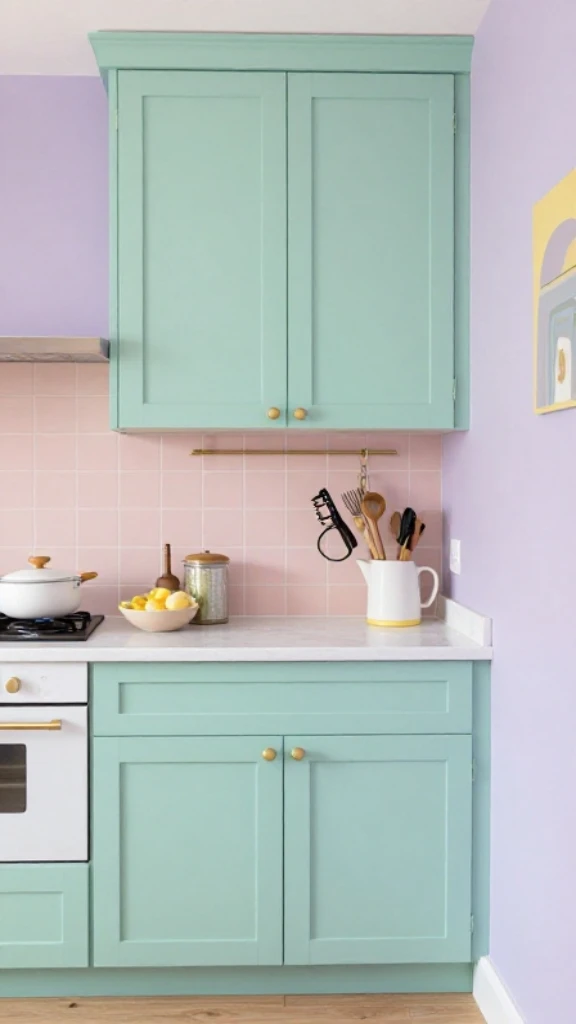
Pastel colors add liveliness and charm without the intensity of bright primaries. Imagine mint green cabinetry coupled with blush pink tiling, or gentle lavender walls with butter yellow accents. These soothing hues make small kitchens feel joyful and welcome rather than crowded or antiseptic.
They perform especially well in places with good natural light, where the colors move nicely throughout the day. Keep worktops and bigger surfaces neutral—white marble or light wood—so the pastels remain highlights rather than dominating.
Brass or gold hardware provides warmth, and white appliances merge easily. This technique feels fresh and current while keeping a light, airy aspect that small spaces badly need.
14. Space-Efficient Corner Kitchen Solution
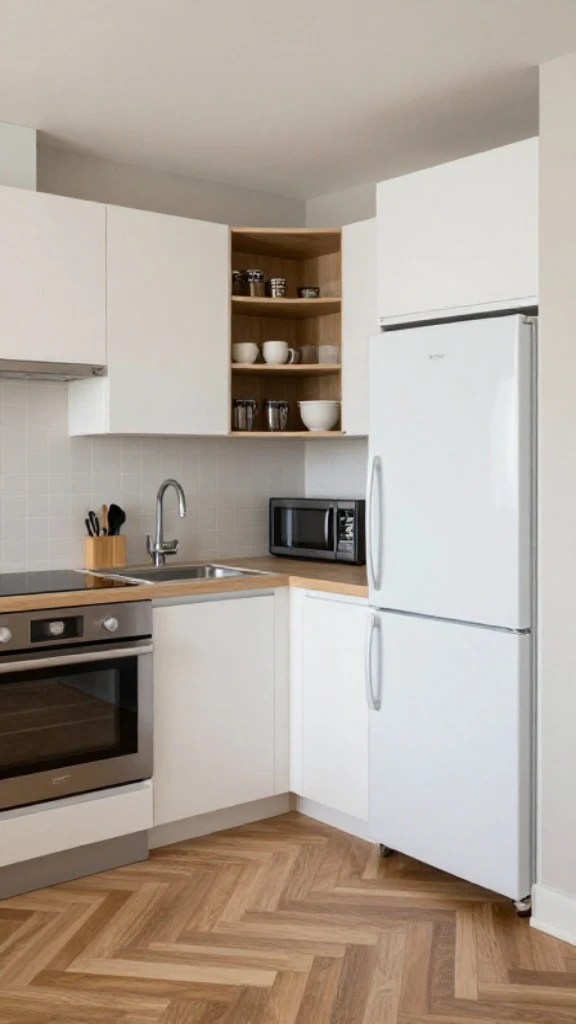
Corner kitchens make fantastic use of problematic angles by concentrating equipment and storage into one small L-shaped zone. This layout works perfectly in studio apartments or open-plan rooms where the kitchen shouldn’t dominate.
Position the sink at the corner to optimize counter space on both sides, with the cooktop and fridge flanking it logically. Upper cabinets can wrap around the corner with lazy Susan movements or pull-out organizers to access every inch.
This layout leaves the remainder of your room available for living space while keeping everything you need within easy reach. It’s proof that careful planning outweighs square footage every time.
15. Concealed Kitchen Behind Movable Panels
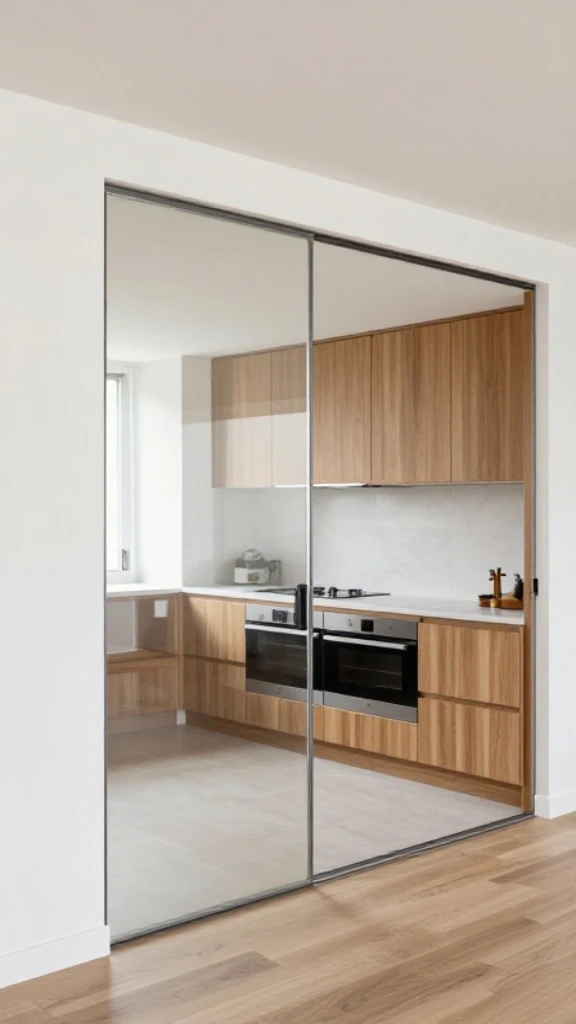
When you want your kitchen to entirely disappear, sliding doors or folding panels allow the utmost versatility. High-quality track systems enable doors slide smoothly to display appliances and work surfaces, then close to present a clean wall or elegant cabinet front.
This works well in multi-purpose rooms where the kitchen isn’t the main focus—think home offices, guest rooms, or living areas. Choose door treatments that match your room’s decor, whether that’s clean white panels, natural wood, or even mirrored surfaces that enlarge the area visually.
Open for cooking, closed for entertaining—it’s like having two completely separate rooms depending on your needs.
16. Dual-Tone Kitchen with Contrasting Cabinets
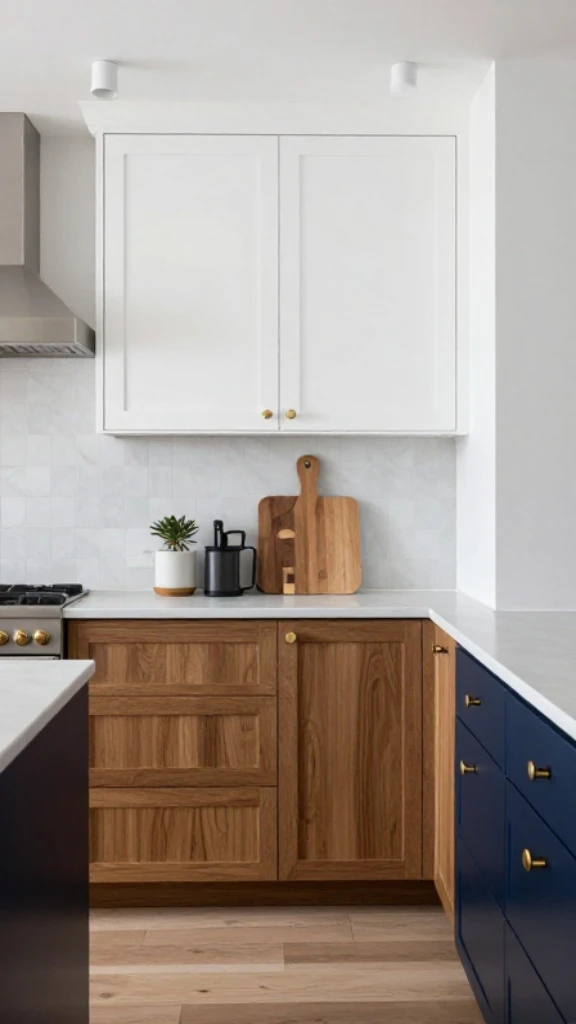
Mixing two cabinet colors gives depth and visual intrigue that single-tone kitchens sometimes lack. Try mixing warm wood lower cabinets with clean white uppers, or navy blue bases with light gray on top.
This strategy naturally divides the area, making walls feel taller and the room more dynamic. The contrast reduces monotony in small regions where everything can blur together visually.
Coordinate hardware finishes throughout—all brass or all matte black—to pull the two tones together cohesively. The outcome feels carefully intended rather than mismatched, illustrating that ignoring design “rules” frequently creates the most interesting places.
17. Sunlit Kitchen with Overhead Window
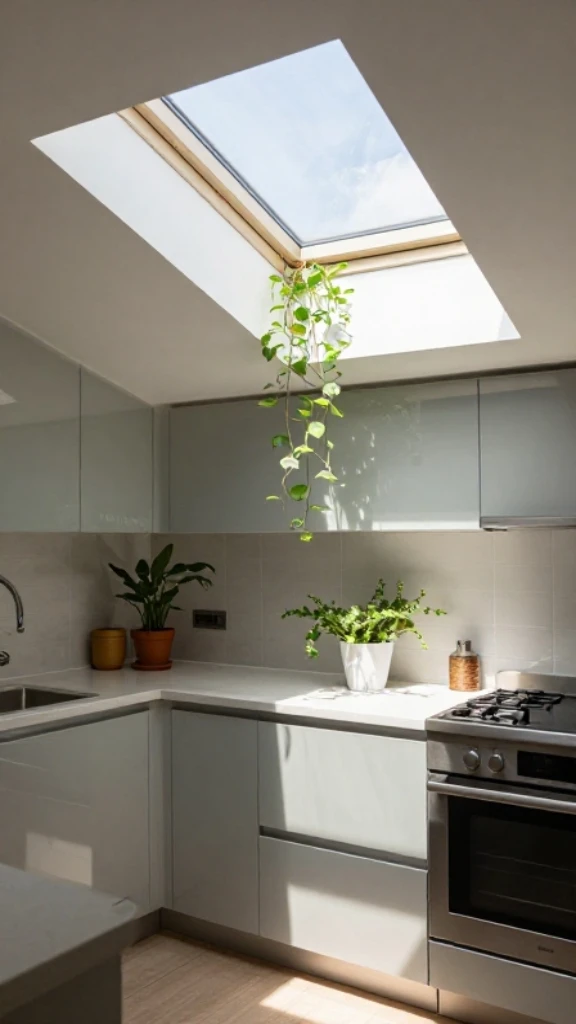
A skylight transforms any kitchen from dark and dreary to bright and welcoming without sacrificing wall space for windows. Natural light floods down from above, illuminating work surfaces and making the room feel significantly larger. This feature works especially well in top-floor apartments or houses where roof access allows installation. Pair the skylight with reflective surfaces—glossy cabinets, glass backsplashes, or polished countertops—to bounce light around even more. Plants thrive in this bright environment, and the ever-changing natural light creates a connection to the outdoors that regular windows can’t match. If your kitchen feels like a cave, looking up might be your best solution.
18. Smart Kitchen with Upward Storage Solutions
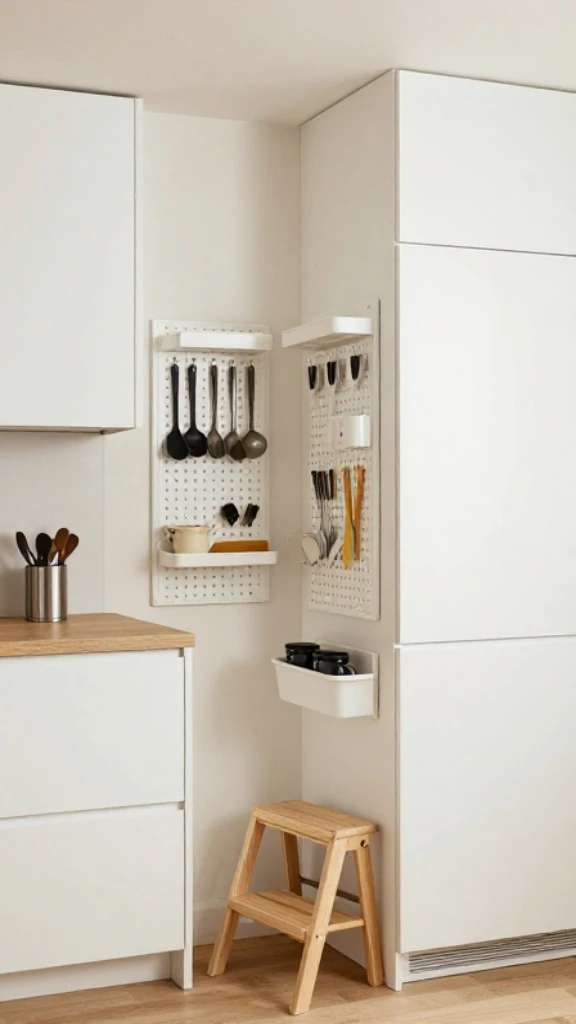
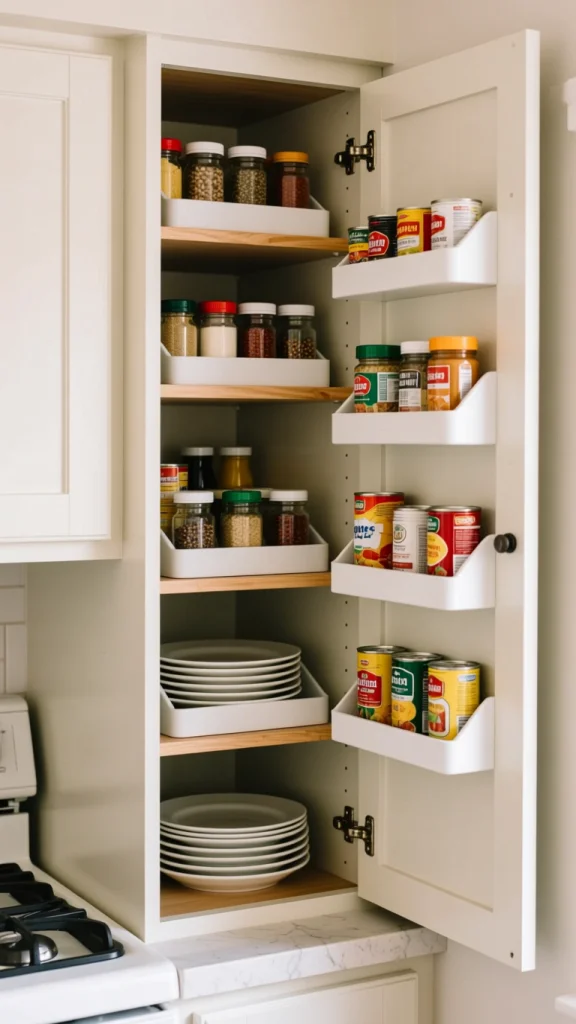
When you’re short on floor and counter space, consider vertically. Floor-to-ceiling cabinets, wall-mounted racks, and hanging pot holders utilize every inch of wall space efficiently. Magnetic knife strips, pegboards for utensils, and over-door organizers keep tools accessible without crowding drawers.
Install upper cabinets right to the ceiling rather than leaving that dusty gap on top. Use step stools on upper shelves where you store less-frequently-used objects. Vertical storage literally elevates your kitchen’s capacity, typically tripling usable area without any building.
It requires rethinking how you organize, but the result in functionality is certainly worth the initial effort.
19. Small Exterior Cooking Area for Balconies
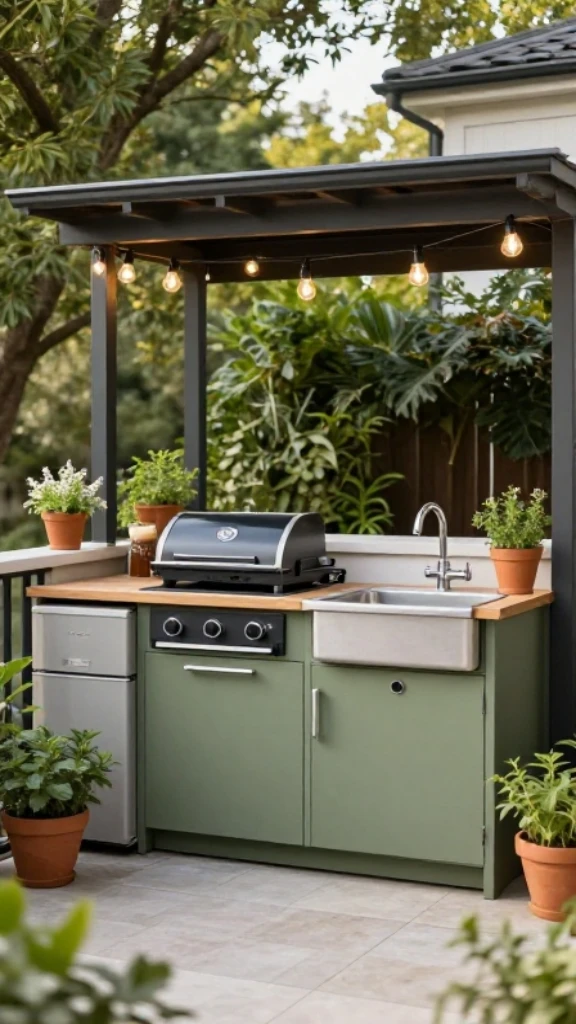
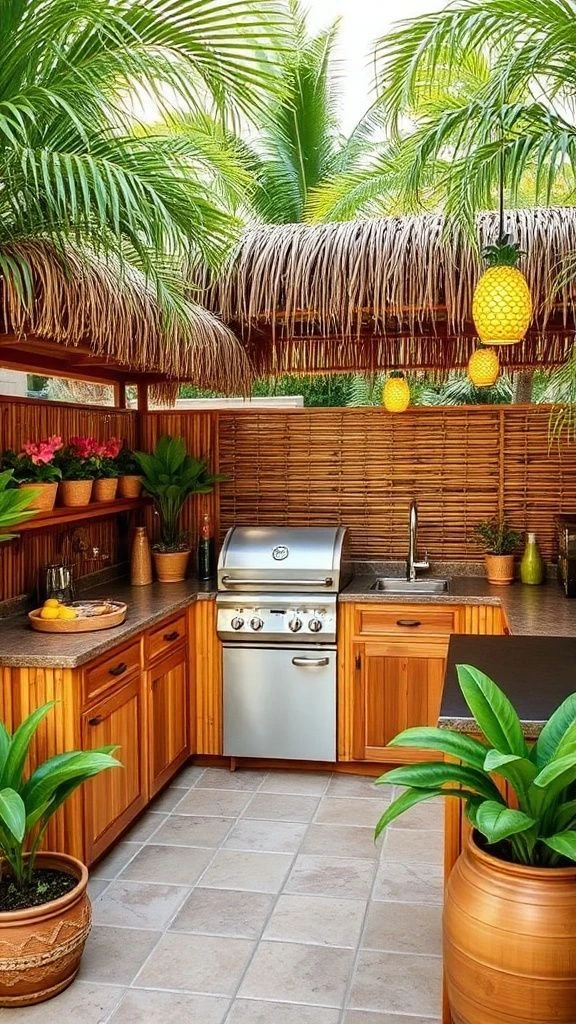
Who says little kitchens must stay indoors? Compact outdoor setups bring cooking into fresh air, suitable for small patios, balconies, or courtyard locations. Weather-resistant cabinets, a small grill or portable burner, and a prep sink create a surprisingly functional cooking zone.
Add a compact refrigerator optimized for outside use, and you’ve got everything needed for al fresco meals without running inside frequently. Protect from elements with a tiny pergola or retractable awning.
String lights and potted herbs create the scene. This works brilliantly for warm areas or seasonal use, enhancing your home’s living space while keeping kitchen aromas and heat outside where they belong.
20. Retro-Themed Kitchen with Classic Details
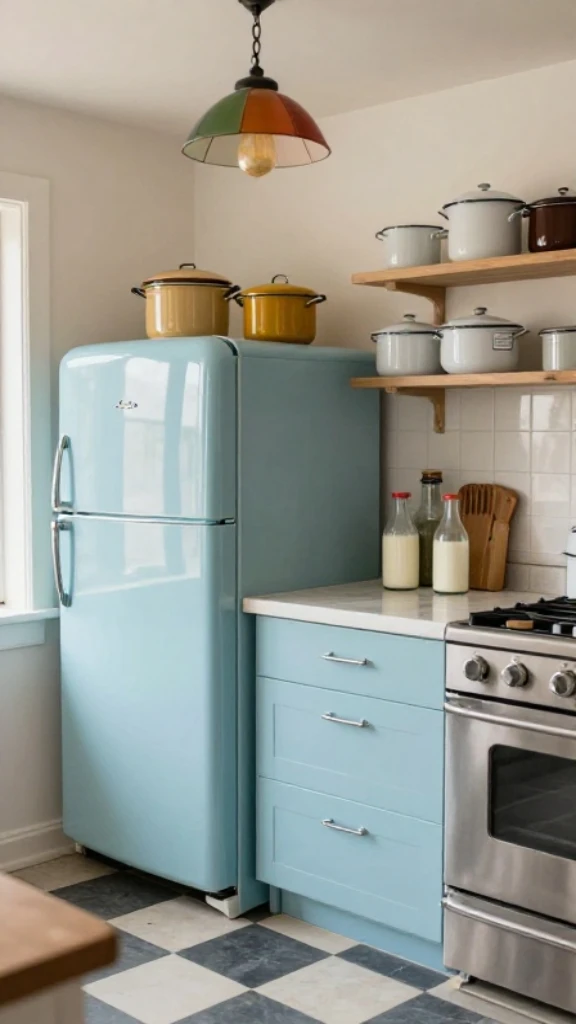
Vintage aesthetics add warmth and charm through carefully chosen nostalgic accents. Think circular refrigerators in robin’s egg blue, checkerboard floor tiles, and chrome fixtures that nod to 1950s eateries.
Display collections of vintage enamelware, glass milk bottles, or antique cooking items as both adornment and conversation starters. Retro pendant lights with tinted glass shades give period-appropriate illumination.
This style honors history and workmanship, creating a kitchen that seems lived-in and loved rather than showroom-perfect. Scour flea markets and estate sales for real antiques, or choose modern copies that capture old charm with current usefulness. Either way, your kitchen becomes a time capsule worth walking into.
21. Dramatic High-Contrast Monochrome Space
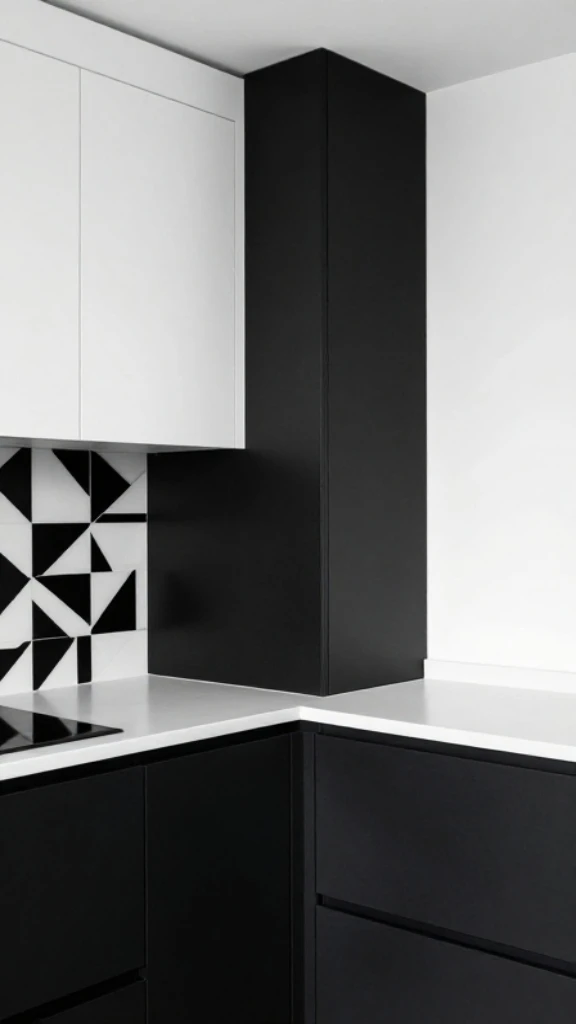
Push the black and white concept further by embracing stark contrasts that create architectural drama. Jet-black cabinets against pure white walls, or white top cabinets floating over charcoal lower units, make dramatic statements in confined spaces.
High-gloss finishes intensify the impression, whereas matte surfaces soften it slightly—choose based on your aesthetic style. Geometric backsplash patterns in black and white tile offer movement without introducing color.
This high-impact approach works because the stark contrast establishes distinct visual boundaries, making the area feel defined rather than cluttered. It’s modern, it’s confident, and it surely doesn’t apologize for being small.
22. Clever Storage Kitchen for One-Room Living
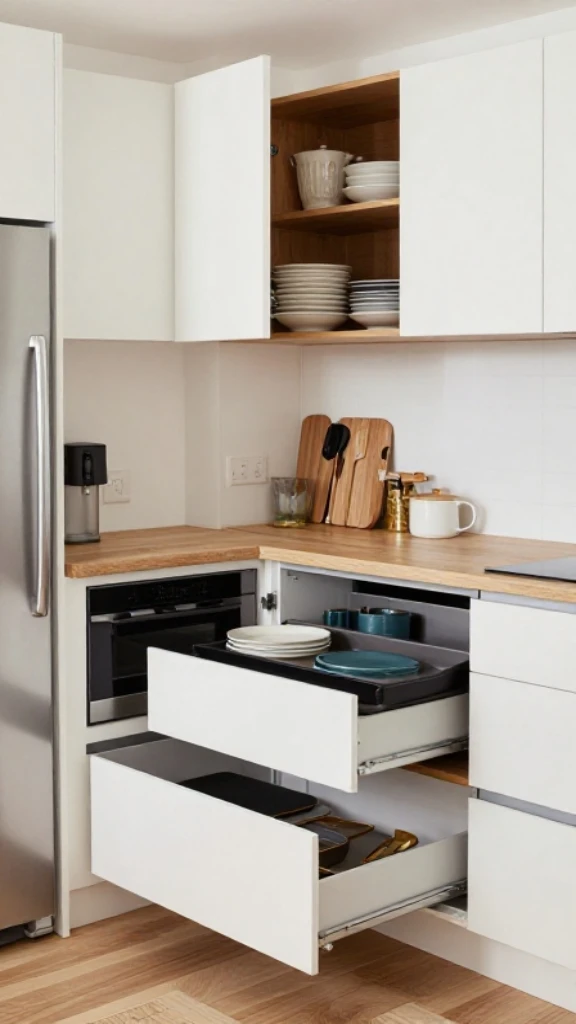
Studio apartments demand kitchens that work impossibly hard in a small space. Every cabinet should feature pull-out organizers, lazy Susans, or drawer dividers, boosting storage space. Consider equipment that serves several functions—combination microwave-convection ovens, refrigerators with built-in water dispensers, or induction cooktops that double as counter space while not in use.
Toe-kick drawers beneath lower cabinets give covert storage for flat things like baking sheets. Furniture-style pieces with closed storage keep visual clutter at bay while keeping flexibility.
This strategy demands forward preparation and investment in solid organizational structures, but the return is a kitchen that genuinely earns its footprint rather than just consuming space.
23. Free-Spirited Kitchen with Patterned Ceramic Tiles
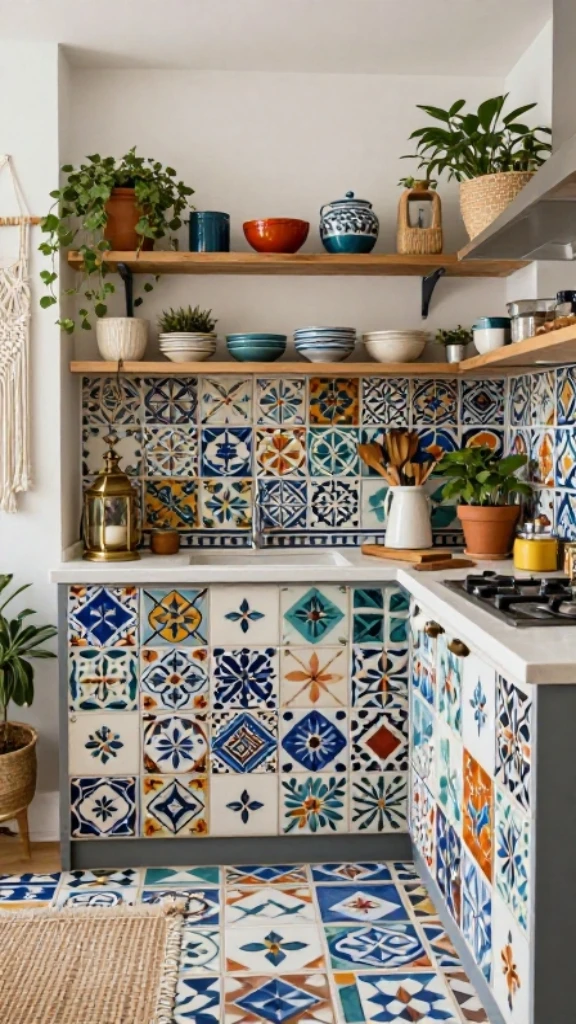
Bohemian style promotes color, pattern, and foreign influences through varied tile choices. Moroccan-inspired backsplash tiles in jewel tones, patterned cement floor tiles, or hand-painted ceramic pieces create focal points that capture the attention.
Mix patterns fearlessly—geometric designs with floral motifs, or strong hues with neutral backdrops. Open shelving shows colorful plates, woven baskets, and plants that enhance the casual, collected-over-time ambiance.
This aesthetic relies on personality and refuses to take itself too seriously. Layer textures like macramé plant hangers, woven carpets, and brass lanterns for depth. Your little kitchen becomes a creative expression rather than merely a practical place.
24. Premium Compact Kitchen with Integrated Bar Counter
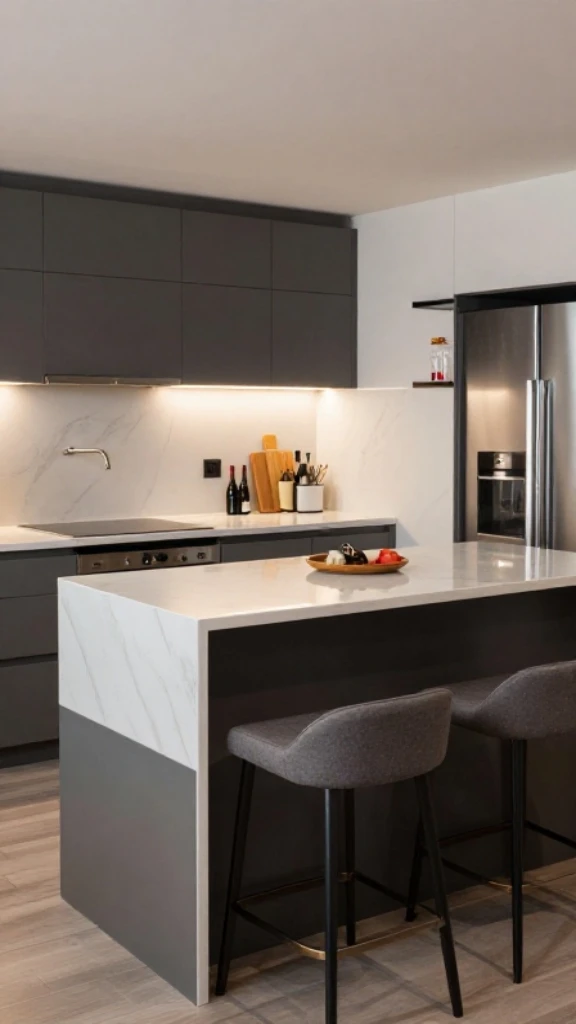
Transform your modest kitchen into an entertainment-ready room by including a stylish bar area. A waterfall-edge countertop extending from one side enables bar seating without requiring floor space for a separate table.
Tuck attractive bar stools below when not in use. Install wine storage, a small beverage fridge, or floating shelves for glassware within easy reach. Task lighting above the bar highlights this zone as special.
The setup turns your kitchen from strictly utilitarian to socially functional, suitable for informal parties or morning coffee. High-end finishes like quartz countertops and designer fixtures warrant the luxury designation, indicating compact kitchens can absolutely support entertaining ambitions.
25. Discreet Office Kitchenette Behind Closed Doors
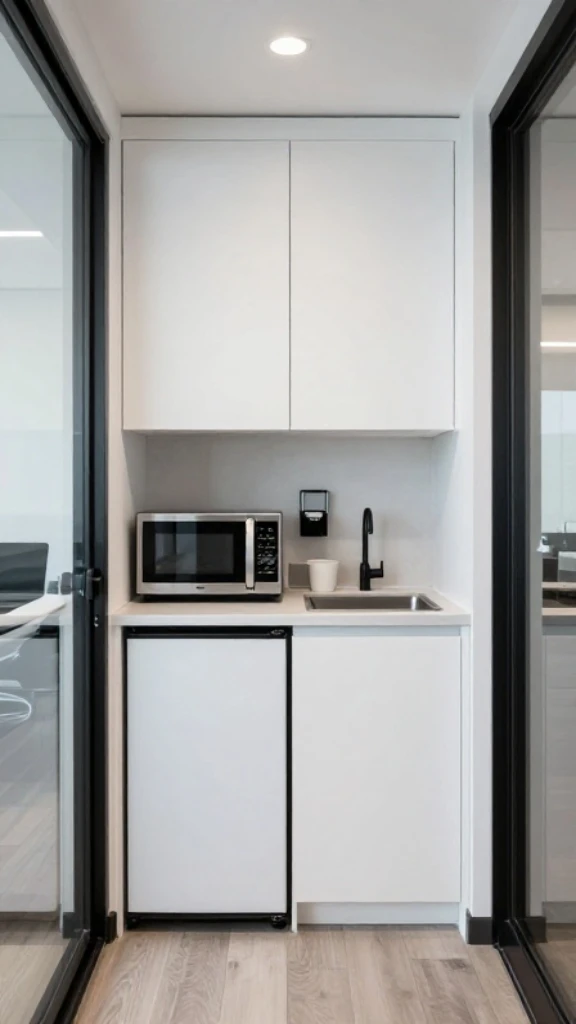
Workplace kitchenettes need functionality within extremely compact footprints, frequently disguised behind cabinet fronts to maintain a professional look. Compact units feature mini-refrigerators, microwave stations, and small sinks for basic necessities without complete cooking capability.
Coffee stations with built-in cup storage and water dispensers handle daily caffeine requirements. Everything closes up fully when not in use, displaying clean cabinet fronts that harmonize with office furniture.
This solution works as well for home offices, mother-in-law suites, or guest spaces where full kitchen access isn’t necessary but basic amenities boost comfort. It’s proof that kitchens can scale to fit literally any size when planned deliberately around specific demands.
FAQs
How can I make a little kitchen look bigger?
Use light colors on walls and cabinets to reflect light and create airiness. Install mirrors or glossy backsplashes to visually increase the room. Keep counters uncluttered and pick minimalist hardware. Under-cabinet lighting also helps considerably.
What’s the most significant element in a small kitchen?
Smart storage is critically needed. Without adequate organization, even the best-designed small kitchen becomes frustrating quickly. Invest in drawer dividers, pull-out shelves, and vertical storage solutions before worrying about aesthetics.
Can I fit a dishwasher in a little kitchen?
Yes! Compact 18-inch dishwashers perform nicely in tight places and use less water than handwashing. Drawer-style dishwashers give even more flexibility. Just ensure you measure properly before acquiring any appliance.
What colors work best for little kitchens?
White, soft gray, mild blue, and light wood tones keep things open and bright. However, don’t fear bold accent colors—they offer flair without making spaces appear smaller if utilized carefully on just one element.
How much does a tiny kitchen makeover cost?
Costs vary drastically based on materials and appliances, but expect $5,000-$15,000 for simple improvements and $15,000-$30,000+ for high-end restorations. Small areas often cost more per square foot since unique solutions are typically essential.
Conclusion
Designing a little kitchen is all about making conscious decisions that serve both function and beauty. Every piece matters more when you’re working with restricted square footage, yet that constraint actually pushes you toward more imaginative, individualized solutions.
Whether you’re drawn to minimalist Scandinavian vibes, strong industrial aesthetics, or homey farmhouse charm, there’s surely a small kitchen style that fits your life perfectly. Start with one or two ideas that actually excite you, then develop from there.
Your compact kitchen has enormous potential—it simply requires the right technique to shine. Now go make something wonderful in that small yet mighty space!
No products found.